
Categories
Buyer Guides, Tucson Real Estate MarketPublished April 7, 2026
Moving to Tucson, Arizona: Pros and Cons (2026 Relocation Guide)

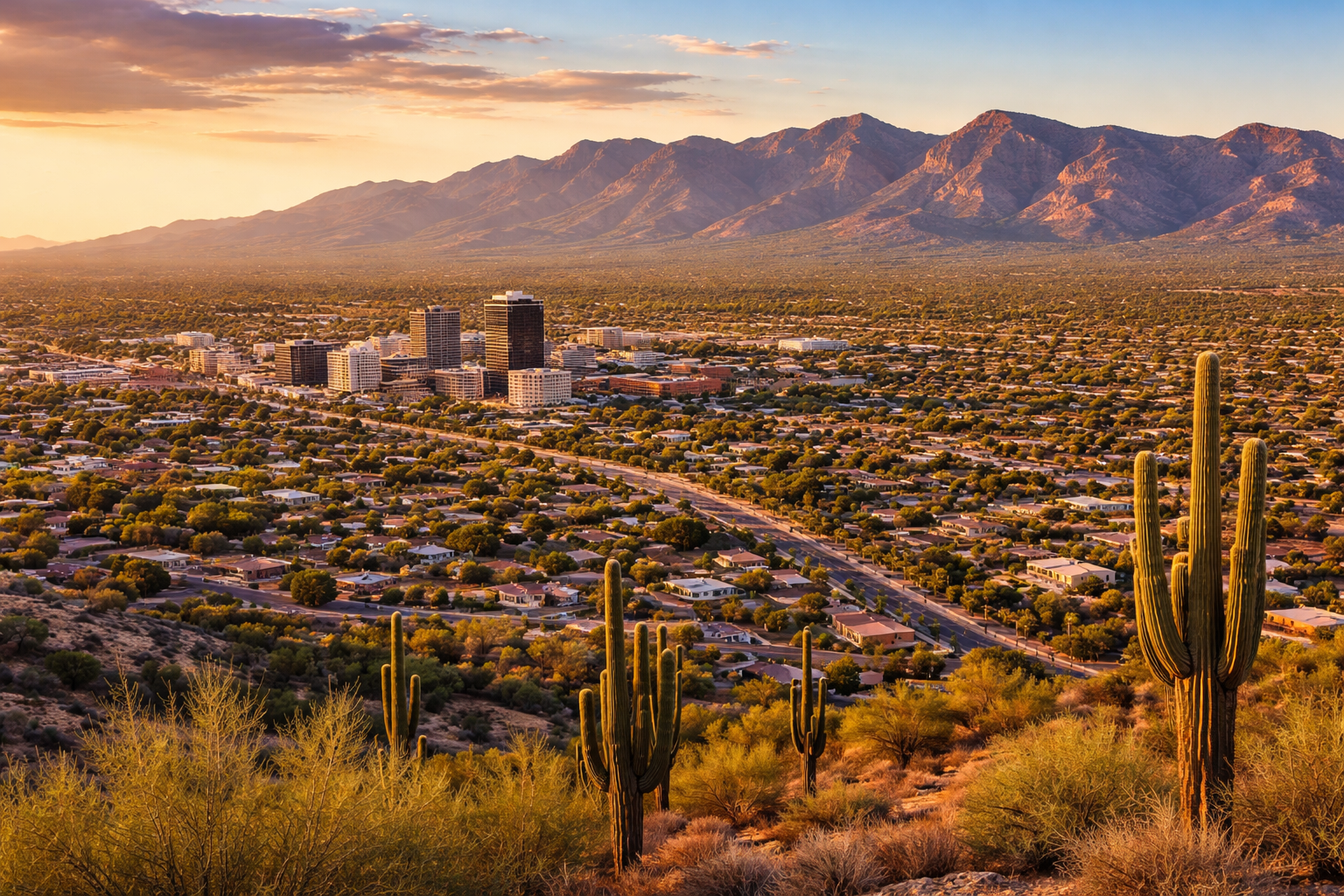
If you’re thinking about moving to Tucson, you’re not alone. Every year, people relocate here for the sunshine, the lifestyle, and a different pace of life compared to larger metro areas.
But like any city, Tucson comes with trade-offs.
In this guide, we’ll walk you through the real pros and cons of living in Tucson in 2026, so you can decide if it’s the right fit—and what to expect if you make the move.
Why People Are Moving to Tucson
Tucson has been gaining attention as a more affordable and laid-back alternative to larger Southwest cities. With a population of over 540,000 in the city and nearly 1 million in the metro area, it offers a balance of urban amenities and open space (U.S. Census Bureau).
Many relocation buyers we talk to are coming from higher-cost areas and are looking for: - More space - Outdoor access - A slower pace of life - Lower overall living costs compared to major metros
That said, Tucson isn’t for everyone—and that’s where understanding the pros and cons matters.
The Pros of Living in Tucson
1. More Affordable Than Many Major Cities
Compared to cities like Phoenix, San Diego, or Denver, Tucson is generally considered more affordable in terms of housing and overall cost of living.
While prices have changed in recent years, Tucson still tends to offer more home for the money compared to many Western U.S. markets (Council for Community & Economic Research).
👉 For relocation buyers, this often means: - Larger homes - Bigger lots - More options at lower price points than coastal markets
2. Outdoor Lifestyle Year-Round
If you enjoy being outside, Tucson is hard to beat.
The area is surrounded by mountain ranges and offers easy access to: - Hiking (Sabino Canyon, Saguaro National Park) - Biking trails - Golf courses - Desert landscapes unique to Southern Arizona
Tucson averages over 280 sunny days per year, making outdoor activities a regular part of daily life (National Weather Service).
3. Mild Winters
One of Tucson’s biggest draws is its winter weather.
While much of the country deals with snow and freezing temperatures, Tucson winters are typically mild, making it a popular destination for seasonal residents and full-time relocations alike.
4. Laid-Back Pace of Life
Tucson has a noticeably different feel compared to larger cities.
In general, you’ll find: - Less congestion than major metros - A more relaxed daily pace - A strong sense of local culture and community
For many buyers, this is exactly what they’re looking for.
5. Unique Culture and Food Scene
Tucson is the first UNESCO City of Gastronomy in the U.S., recognized for its unique food heritage and local ingredients (City of Tucson).
From Sonoran-style Mexican food to local markets and restaurants, the city offers a distinct cultural experience you won’t find in many other places.
The Cons of Living in Tucson
1. The Summer Heat Is Real
This is the biggest adjustment for most people.
Summers in Tucson are long and hot, with daytime temperatures frequently exceeding 100°F. According to the National Weather Service, extreme heat is a consistent seasonal factor in Southern Arizona (National Weather Service).
👉 What to expect: - Outdoor activity shifts to early mornings or evenings - Higher reliance on air conditioning - Lifestyle adjustments during peak summer months
2. Limited Public Transportation
Tucson is a car-dependent city.
While there is a public transit system, most residents rely on driving for daily activities. Commute times can vary depending on location, but having a vehicle is typically necessary.
3. Job Market Can Be Industry-Specific
Tucson’s economy is supported by sectors like: - Education (University of Arizona) - Healthcare - Aerospace and defense
However, depending on your field, opportunities may be more limited compared to larger cities. For broader employment trends, sources like the Bureau of Labor Statistics provide regional data.
4. Urban Sprawl and Travel Time
Tucson is geographically spread out.
That means: - You may drive longer distances for work, shopping, or entertainment - Choosing the right location within the city matters for your daily routine
5. Water Awareness Is Part of Life in Arizona
Water is an important topic in the Southwest.
Arizona actively manages its water resources through long-term planning and regulation (Arizona Department of Water Resources). For homeowners, this typically means being mindful of usage, especially with landscaping and outdoor water use.
What It’s Like Living in Tucson Day-to-Day
Daily life in Tucson tends to be: - Slower-paced than major metro areas - Centered around outdoor activities (when weather allows) - Flexible depending on where you live within the city
You’ll also find a wide variety of housing options—from established neighborhoods to newer developments—each offering a different lifestyle and commute experience.
Who Tucson Is a Good Fit For (And Who It Might Not Be)
Tucson may be a great fit if you:
- Prefer a slower pace of life
- Enjoy outdoor activities and sunshine
- Are looking for more space for your budget
- Want a strong sense of local culture
It may not be the best fit if you:
- Prefer a fast-paced, dense urban environment
- Don’t want to deal with extreme summer heat
- Rely heavily on public transportation
- Need a highly specialized job market
What to Know Before Moving to Tucson
Before relocating, here are a few practical things to keep in mind:
- Air conditioning is essential – homes are built with heat in mind
- Utility costs can vary seasonally – especially in summer
- Location matters – commute times and lifestyle can vary significantly across Tucson
- Water use is part of homeownership considerations in Arizona
Doing your own research and working with a knowledgeable local team can make a big difference in your experience.
How to Start Your Move to Tucson
If you’re seriously considering moving to Tucson, the next step is getting clarity on: - Where you want to live - What type of home fits your lifestyle - What your move timeline looks like
That’s where having a local team can help.
At the TJK Team, we work with relocation buyers every day and can help you: - Understand different areas of Tucson - Navigate the home buying process - Avoid common mistakes out-of-state buyers make
👉 If you’re thinking about making a move, reach out to start the conversation. We’re happy to be a resource as you explore your options.
FAQs About Moving to Tucson
Is Tucson a good place to live in 2026?
In general, Tucson continues to attract buyers looking for affordability, outdoor lifestyle, and a slower pace of life. Whether it’s a good fit depends on your personal preferences and priorities.
How hot does Tucson really get?
Summers are consistently hot, with temperatures often exceeding 100°F. Most residents adjust their routines and rely on air conditioning during peak months (National Weather Service).
Is Tucson affordable compared to other cities?
Compared to many large Western U.S. cities, Tucson is generally more affordable, particularly in housing. However, affordability can vary depending on market conditions and location.
What should I know before moving to Tucson?
Understanding the climate, transportation, and local lifestyle is key. Visiting the area and exploring different neighborhoods can help you determine what fits best.
Final Thoughts
Tucson offers a unique mix of affordability, outdoor living, and culture—but it also comes with trade-offs like summer heat and a more spread-out layout.
If you’re considering a move, the key is understanding both sides so you can make an informed decision.
And if you want help navigating that process, having a local expert can make all the difference.

Tom Krieger
| The TJK Team - Realty Executives Arizona Territory
or another way