
Published March 11, 2026
New Student Housing Near the University of Arizona: What It Could Mean for Nearby Home Values

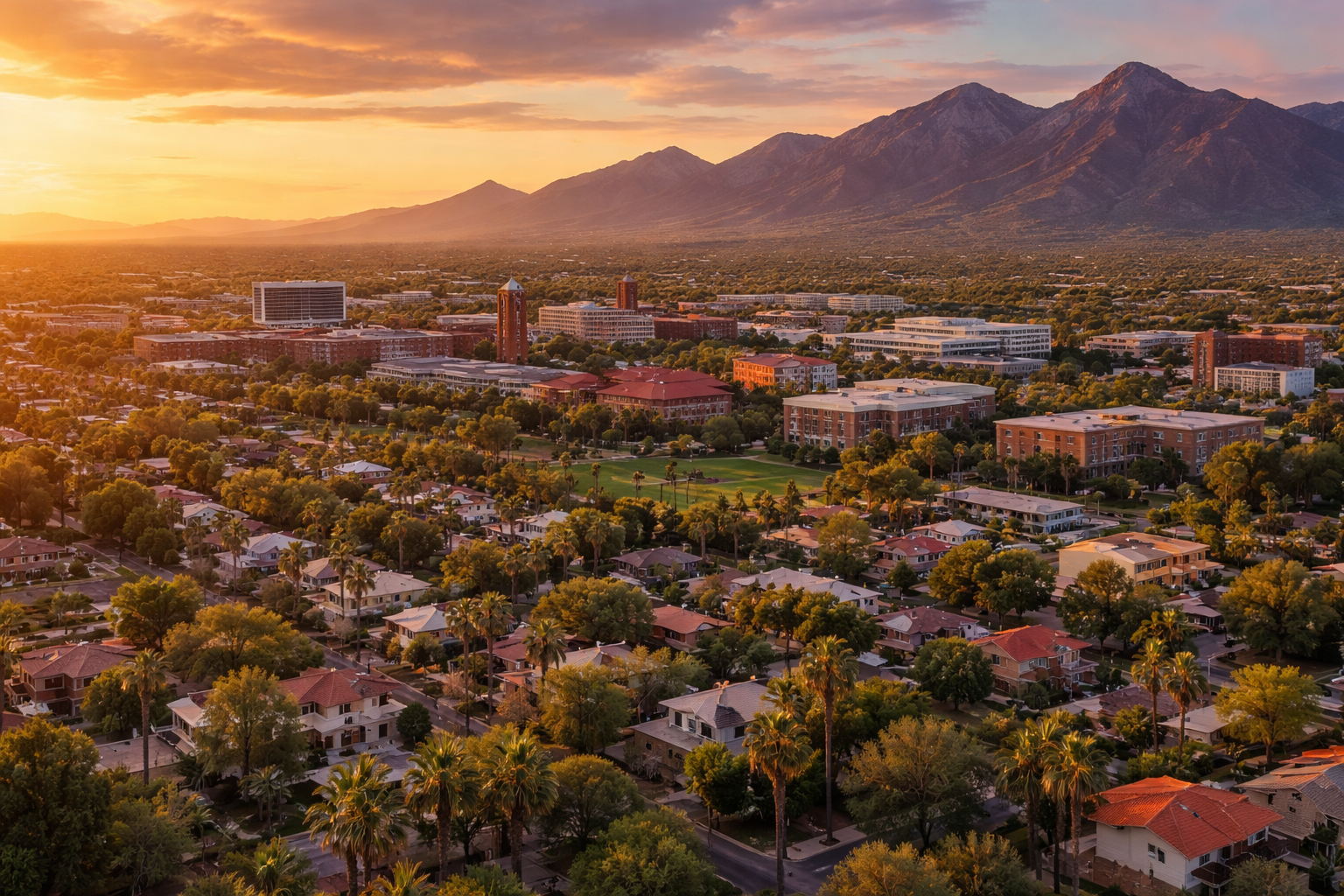
Why Student Housing Is Expanding Near the University of Arizona
If you live near the University of Arizona, you may have noticed new apartment communities and student-focused housing developments appearing around campus. Over the past decade, the university district has seen steady growth in purpose-built housing designed specifically for student living.
The University of Arizona remains one of the largest universities in the Southwest, with enrollment that continues to support strong housing demand close to campus. According to the University of Arizona’s Institutional Research reports, enrollment has remained above 50,000 students in recent years.
Local news coverage has also highlighted the continued growth of student-focused housing near campus. Reports from outlets such as the Arizona Daily Star have described several new student housing developments built or proposed around the university district as developers respond to ongoing demand for student housing.
When thousands of students need housing within a relatively small area of the city, developers often respond by building communities designed specifically for student living. These properties typically include features such as individual bedroom leases, study areas, and walkable access to campus.
For homeowners and buyers in neighborhoods near the university, the natural question becomes: What might this mean for nearby home values?
The answer is often more nuanced than it first appears.
Why Purpose-Built Student Housing Is Being Developed
Purpose-built student housing has become increasingly common in university cities across the country. These developments are designed to meet the needs of modern college students while helping universities manage housing demand without expanding campus dormitories.
Many of these communities offer features such as:
- Private bedrooms with shared living spaces
- Study lounges and coworking areas
- Fitness centers and community spaces
- Walkable access to campus and nearby restaurants
These developments are often located just outside university boundaries, especially along major streets and redevelopment corridors.
Research from the National Multifamily Housing Council shows that private-sector student housing has become an important part of housing supply near many universities.
For cities like Tucson, these developments can help accommodate student housing demand while reducing pressure on older rental homes.
How Student Housing Can Change Nearby Neighborhoods
When new housing developments appear near a university, the surrounding area often evolves as well.
Student housing tends to increase residential density near campus. Over time, this can lead to new restaurants, shops, and services that cater to students and young professionals.
In some university districts across the country, purpose-built student housing has helped concentrate student populations closer to campus instead of spreading them across surrounding neighborhoods.
This shift can influence how nearby homes are used. Some properties continue serving as student rentals, while others become attractive to professionals, faculty members, or long-term residents.
Changes like these usually happen gradually as neighborhoods adapt to new development patterns.
What This May Mean for Rental Demand Near Campus
For many years, single-family homes around the University of Arizona have served as off-campus housing for students. Groups of students often rented houses together, particularly in neighborhoods within walking or biking distance of campus.
The introduction of large student housing communities adds new options for students deciding where to live.
Some students prefer the convenience and amenities offered by purpose-built housing. Others continue to choose traditional homes because they offer more space or a different living environment.
In many university markets, both options continue to coexist. Student apartments may absorb some demand, but homes close to campus can still remain attractive rental properties.
Because the University of Arizona continues to enroll thousands of students each year, housing demand near campus tends to remain relatively consistent over time.
Possible Effects on Nearby Home Values
One of the most common concerns homeowners raise is whether new student housing might reduce nearby home values.
In reality, home values near a university are influenced by several different factors, including:
- Walkability to campus
- Neighborhood character
- Investor demand
- Rental income potential
- Overall housing supply
In some university districts, new student housing has helped stabilize nearby neighborhoods by concentrating student renters into purpose-built buildings rather than spreading them across single-family homes.
In other cases, proximity to campus continues to support demand from investors, faculty members, and owner-occupants.
Housing research from CoreLogic shows that properties near major universities often experience different demand patterns than other parts of the same city because universities create consistent housing needs year after year.
Because of this, campus-adjacent neighborhoods often behave as their own micro-markets within a larger city housing market.
What Homeowners Near the University May Want to Consider
For homeowners near the University of Arizona, the impact of new housing developments often depends on the characteristics of a specific property and neighborhood.
Several factors can influence how a home performs in a campus-area market:
- Distance to the university
- Walkability and bike access
- Property size and layout
- Zoning regulations
- Whether the neighborhood is primarily rental or owner-occupied
Some homes continue to attract student renters, while others appeal more to long-term residents or university staff.
Understanding these dynamics can help homeowners think through options such as renting the property, holding it long-term, or eventually selling.
What Buyers and Investors Often Watch in Campus Areas
Buyers considering property near a university often pay attention to several long-term trends, including:
- University enrollment levels
- Supply of new student apartments
- Local zoning rules
- Transportation access
- Neighborhood redevelopment patterns
Because universities tend to remain stable institutions within their communities, housing demand nearby often follows longer-term cycles rather than short-term shifts.
This stability is one reason many investors continue to watch university districts closely when evaluating potential properties.
Tucson’s University District Is a Unique Housing Market
Neighborhoods near the University of Arizona operate somewhat differently from many other parts of Tucson.
Universities act as long-term economic anchors, bringing students, faculty, research activity, and employment opportunities to the surrounding area.
This can create housing demand patterns that behave differently from neighborhoods farther from campus.
While development patterns and housing preferences may change over time, the presence of a major university tends to keep the surrounding housing market active.
Understanding the Bigger Picture
Growth around universities is a natural part of how cities evolve.
New student housing developments often reflect the reality that universities continue attracting students who need places to live. At the same time, nearby neighborhoods adapt as housing options expand.
For homeowners and buyers near the University of Arizona, it can be helpful to look at the bigger picture and understand how location, demand, and neighborhood changes interact over time.
Each property near campus has its own story, and understanding the local market can help make that story clearer.
If you own property near the university and would like help thinking through how changes in the area may relate to your home, I’m always happy to talk through the details with you.

Tom Krieger
| The TJK Team - Realty Executives Arizona Territory
or another way