
Categories
Tucson Real Estate MarketPublished July 7, 2026
What Can Cause a Home Sale to Fall Through at the Last Minute?

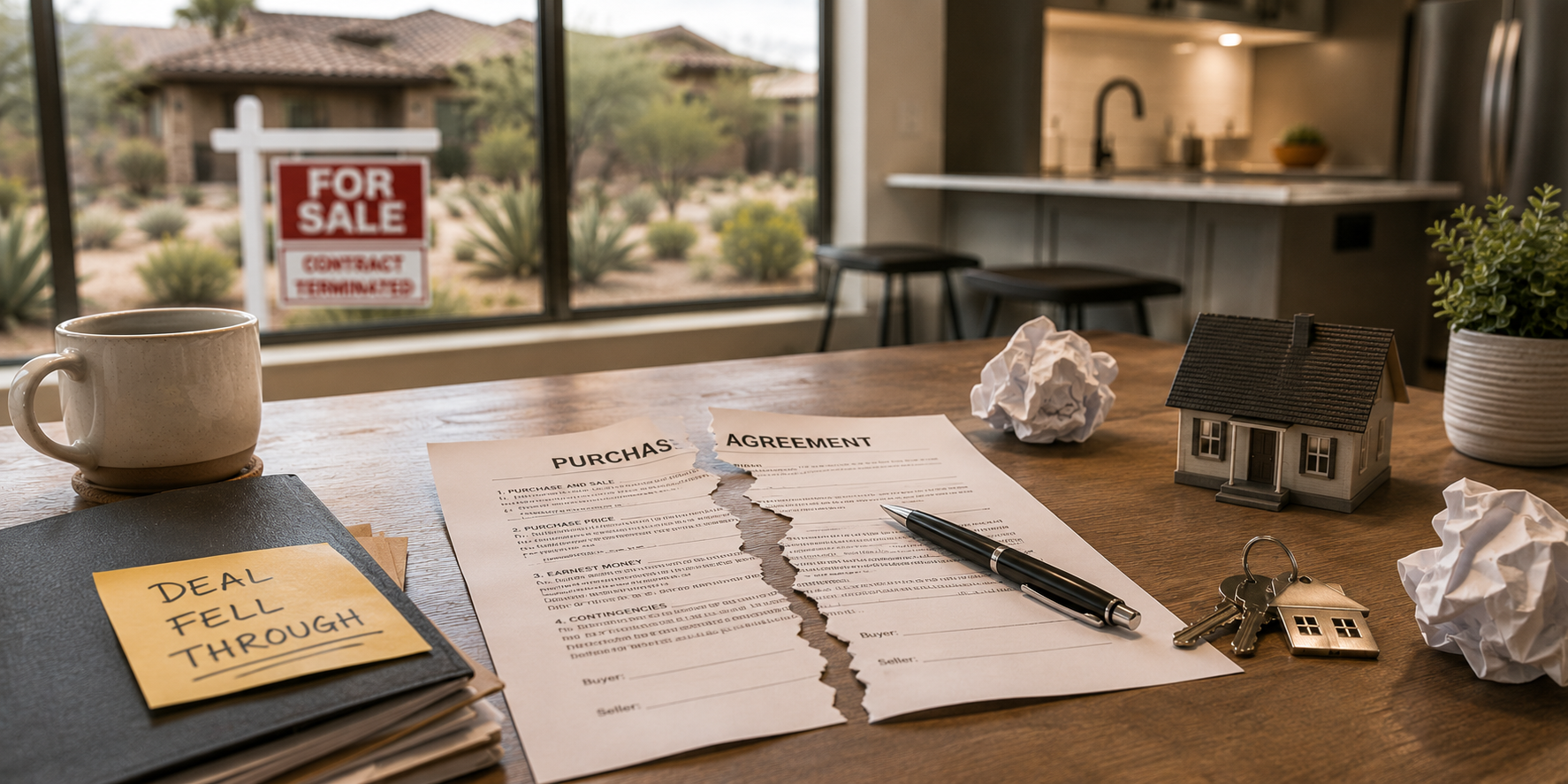
What Can Cause a Home Sale to Fall Through at the Last Minute?
Getting your home under contract is an exciting milestone.
After weeks of preparing your home, hosting showings, and reviewing offers, it can feel like the hard part is over.
But one thing I always remind sellers is this:
An accepted offer is a huge step—but it's not the finish line.
Between the day a contract is accepted and the day you hand over the keys, there are still several important steps that need to happen.
While many transactions close successfully, there are situations where a sale may be delayed or even fall through before closing.
The good news is that understanding the process can help you feel more prepared and avoid unnecessary surprises.
Here are some of the most common reasons a home sale may not make it to the closing table.
Financing Changes
One of the most common reasons transactions don't close involves financing.
Even after receiving a pre-approval, a buyer's financial situation can change before closing.
Examples might include:
- A change in employment
- New debt
- Large purchases
- Changes in credit
- Issues verifying income or assets
These situations don't happen every day, but they can affect a buyer's ability to complete the purchase.
Home Inspection Negotiations
Home inspections are an important part of many real estate transactions.
Sometimes an inspection uncovers issues that neither the buyer nor seller expected.
Examples may include:
- Roof concerns
- Plumbing issues
- Electrical repairs
- HVAC problems
- Structural concerns
Often, buyers and sellers work together to find a solution.
Occasionally, they may not be able to reach an agreement, which can affect whether the transaction continues.
Appraisal Challenges
If the buyer is financing the purchase, an appraisal is often part of the process.
Sometimes the appraised value differs from the agreed purchase price.
When that happens, buyers and sellers may need to discuss options such as:
- Renegotiating the purchase price
- Adjusting contract terms
- Addressing appraisal-related provisions in the contract
Every situation is different, and the outcome depends on the specific agreement between the parties.
Title Issues
Most sellers don't think about title until they're already under contract.
Occasionally, title work uncovers issues such as:
- Outstanding liens
- Ownership questions
- Recording errors
- Probate matters
- Easement questions
Many title issues can be resolved, but they sometimes require additional time before closing can take place.
Home Sale Contingencies
Some buyers submit offers that are contingent upon selling their current home first.
If their existing home doesn't sell—or their transaction falls through—it may affect their ability to move forward with purchasing your property.
This is one reason sellers often review contingencies carefully when comparing offers.
Insurance Challenges
Insurance is another step that can occasionally create unexpected delays.
Depending on the property, buyers may encounter questions related to:
- Prior claims
- Roof condition
- Property features
- Coverage availability
Most insurance questions are resolved through communication with the buyer's insurance provider, but occasionally they can affect closing timelines.
Missed Contract Deadlines
Real estate transactions involve a number of important deadlines.
These may include timelines for:
- Inspections
- Financing
- Appraisals
- Title review
- Loan approval
- Closing documents
Staying organized and maintaining good communication helps everyone stay on track throughout the transaction.
Unexpected Life Events
Sometimes circumstances arise that have nothing to do with the house itself.
Life happens.
Examples might include:
- Medical emergencies
- Job relocations
- Family changes
- Personal financial changes
While these situations are relatively uncommon, they can occasionally affect a buyer's or seller's ability to complete the transaction as planned.
How Sellers Can Help Reduce Risk
Although no one can eliminate every possibility, there are steps sellers can take to help keep a transaction moving forward.
These often include:
- Responding promptly to requests
- Completing agreed-upon repairs on time
- Maintaining open communication
- Keeping important documents organized
- Working closely with experienced professionals throughout the transaction
Preparation won't guarantee a smooth closing, but it can help reduce avoidable delays.
Why Communication Matters
One thing I've learned over the years is that communication solves a lot of problems.
When buyers, sellers, agents, lenders, title companies, and other professionals stay connected, issues can often be identified and addressed early.
That doesn't mean every challenge can be avoided.
But it does mean everyone is working toward the same goal: a successful closing.
Final Thoughts
Most home sales move from contract to closing without major issues.
But it's helpful to remember that several important milestones still need to happen after an offer is accepted.
Financing, inspections, appraisals, title work, contingencies, insurance, and unexpected life events can all influence the timeline.
The good news is that you don't have to navigate those steps alone.
Having an experienced REALTOR® guiding you through the process can help you understand what's happening, anticipate potential challenges, and keep your transaction moving forward.
If you're thinking about selling your Tucson home and want to understand what happens after you accept an offer, I'd be happy to walk you through the process and answer your questions before you list.
Contact us at 520.222.9611 to start the conversation.
FAQs
Is a home sale guaranteed once an offer is accepted?
No. An accepted offer is an important milestone, but additional steps such as inspections, financing, appraisal, and title work typically occur before closing.
What is the most common reason a home sale falls through?
Transactions may fall through for a variety of reasons, including financing changes, inspection negotiations, appraisal issues, title concerns, or unmet contingencies.
Can appraisal issues delay closing?
Yes. If an appraisal differs from the contract price, buyers and sellers may need to discuss possible solutions before moving forward.
Should sellers worry if issues come up during escrow?
Not necessarily. Many issues that arise during the transaction are successfully resolved through communication and cooperation among the parties involved.
How can sellers reduce the chances of delays?
Staying organized, responding promptly, maintaining communication, and working with experienced real estate professionals can help keep the transaction moving forward.

Tom Krieger
| The TJK Team - Realty Executives Arizona Territory
or another way