
Published June 10, 2026
What Happens If Your Tucson Home Doesn't Sell Right Away?

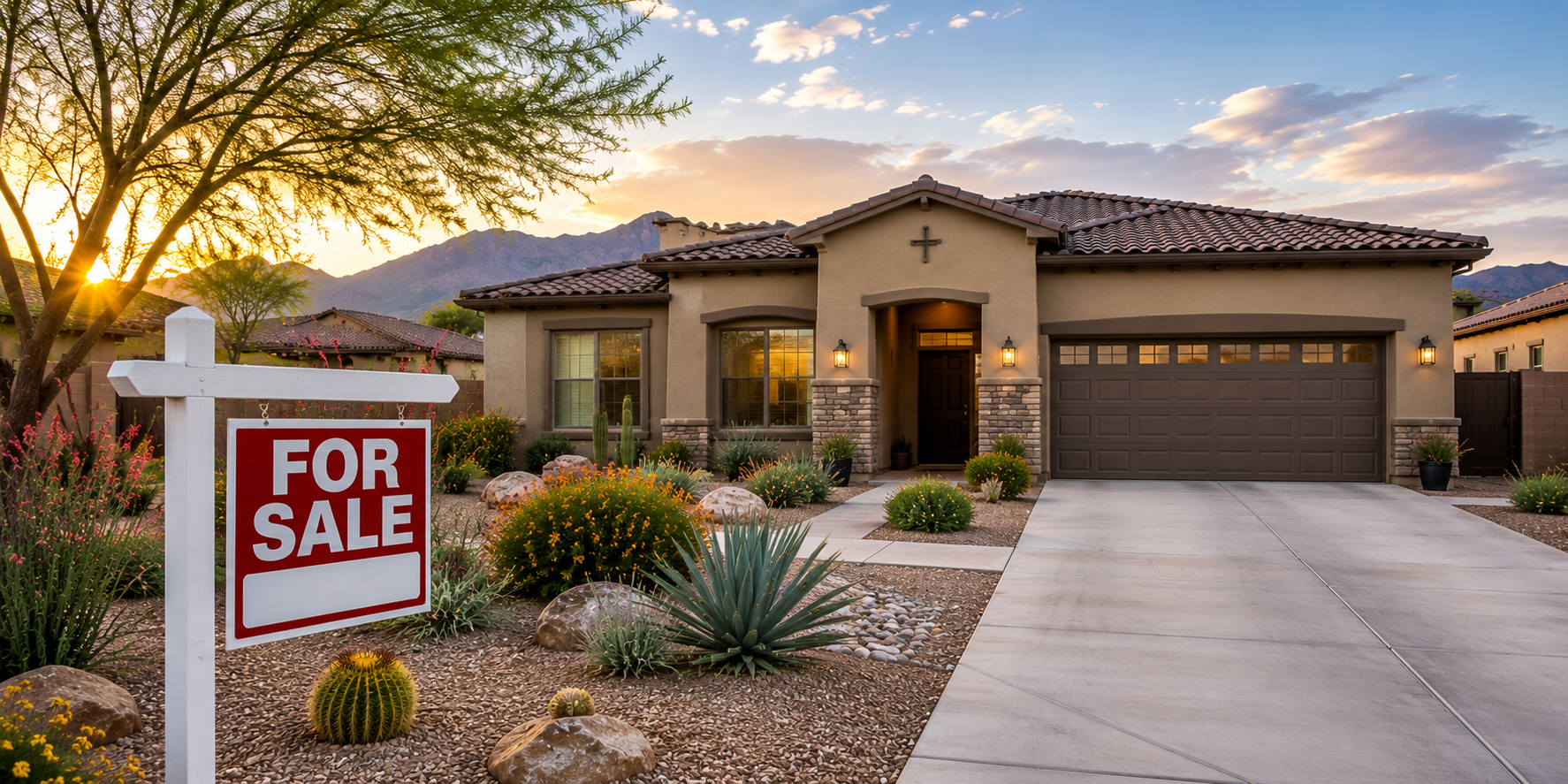
One of the most stressful moments for many sellers happens a few weeks after listing their home.
The excitement of getting the property on the market starts to wear off.
The showings may slow down.
The offers haven't arrived yet.
And the question starts creeping in:
"What's wrong with my house?"
The good news is that if your Tucson home doesn't sell immediately, it doesn't automatically mean there's a problem.
In fact, many homes take time to find the right buyer.
The key is understanding what's happening, evaluating the situation objectively, and making informed decisions rather than reacting emotionally.
Let's talk about what sellers should know.
First: Don't Panic
This is probably the most important advice I can give.
Many sellers expect their home to sell almost immediately because of stories they've heard from friends, family members, or past market conditions.
But real estate markets change.
Buyer behavior changes.
Inventory levels change.
And every home is different.
A home that doesn't receive an offer in the first weekend isn't necessarily failing.
Sometimes it simply means the right buyer hasn't come along yet.
Before making major decisions, it's important to evaluate the facts.
There Are Several Reasons Homes Take Longer to Sell
One of the biggest mistakes sellers make is assuming there's only one explanation.
The reality is that several factors can influence how quickly a home sells.
Let's look at some of the most common ones.
Pricing May Need a Closer Look
Pricing is often the first thing buyers evaluate.
If a home is receiving online views but very few showings, or plenty of showings but little serious interest, pricing may be worth reviewing.
That doesn't automatically mean the price is wrong.
It simply means it's one factor that should be evaluated alongside everything else.
A strategic pricing discussion should always be based on current market conditions, competition, and buyer behavior—not emotions.
Buyers Have More Choices
In some market conditions, buyers have more inventory to choose from.
When that happens, buyers often become more selective.
They may compare:
- Multiple homes
- Different neighborhoods
- Various price points
- Different levels of updates and condition
Even strong listings can face more competition when buyers have more options available.
Condition Still Matters
Buyers notice details.
Things sellers live with every day can stand out immediately to someone seeing the property for the first time.
Examples include:
- Deferred maintenance
- Outdated finishes
- Worn flooring
- Clutter
- Landscaping issues
- Minor repair items
This doesn't mean every home needs a complete renovation.
But presentation can influence buyer perception.
Photos and Marketing Matter More Than Ever
For most buyers, the first showing happens online.
If a listing isn't generating much activity, it's worth reviewing:
- Photography
- Property descriptions
- Marketing exposure
- Online presentation
A great home can sometimes be overlooked if it isn't being presented effectively.
The goal is to make sure buyers see the home's strengths before they ever step through the front door.
Timing Can Play a Role
Sometimes sellers assume a slow start means something is wrong.
In reality, timing can influence activity.
Factors may include:
- Seasonal buying patterns
- Holidays
- School schedules
- Local market conditions
- Inventory levels
While timing alone usually isn't the only factor, it can influence buyer activity.
Ask the Right Questions
If your home hasn't sold as quickly as expected, I encourage sellers to ask questions rather than make assumptions.
Some good questions include:
- Are we receiving showings?
- What feedback are buyers providing?
- How does our home compare to current competition?
- Has market activity changed?
- Are buyers identifying recurring concerns?
Patterns matter.
The more information you gather, the better your decision-making becomes.
Consider Adjustments Thoughtfully
If adjustments are needed, they should be based on data and feedback—not frustration.
Potential areas to evaluate may include:
- Pricing strategy
- Staging
- Repairs
- Photography
- Marketing approach
- Showing flexibility
Not every home requires changes.
But when adjustments are appropriate, thoughtful decisions often produce better results than rushed reactions.
Time on Market Isn't Always a Problem
This is another misconception I hear frequently.
Many sellers assume that if a home doesn't sell immediately, buyers will automatically avoid it.
That's not always the case.
Buyers continue entering the market every week.
New buyers may see your home for the first time tomorrow, next week, or next month.
What's most important is understanding how your property is positioned relative to the competition and making adjustments if necessary.
Focus on What You Can Control
One of the healthiest approaches sellers can take is focusing on the factors they can influence.
You may not control:
- Interest rates
- Inventory levels
- Buyer preferences
- Market conditions
But you can control:
- Presentation
- Pricing strategy
- Accessibility
- Marketing quality
- Responsiveness to feedback
Those are often the areas where meaningful improvements can be made.
Final Thoughts
If your Tucson home doesn't sell right away, don't assume the situation is hopeless.
In many cases, there are opportunities to evaluate feedback, review market conditions, and make informed adjustments if needed.
The goal isn't simply to wait and hope.
The goal is to understand what's happening and respond strategically.
Every property, neighborhood, and market situation is different.
That's why having a plan—and a willingness to evaluate the data objectively—can make a significant difference.
If your home has been on the market longer than expected or you're preparing to sell and want to understand today's Tucson market, we're happy to help.
Contact us at 520.222.9611 to start the conversation.
FAQs
How long should it take to sell a home in Tucson?
Every market cycle is different. The amount of time it takes to sell a home can vary depending on pricing, condition, competition, location, and overall market conditions.
Does a longer time on market mean something is wrong?
Not necessarily. Many factors can influence buyer activity, and some homes simply take longer to find the right buyer.
Should I lower my price immediately if my home isn't selling?
Not always. Sellers should evaluate showings, feedback, competition, and overall market conditions before making adjustments.
What if buyers are looking but not making offers?
This may be an opportunity to review pricing, condition, presentation, or buyer feedback to identify potential areas for improvement.
Can marketing affect how quickly a home sells?
Yes. Photography, online presentation, property descriptions, and overall exposure can influence buyer interest and engagement.

Tom Krieger
| The TJK Team - Realty Executives Arizona Territory
or another way