
Categories
Seller Education, Buyer EducationPublished August 19, 2026
Navigating the Tucson Home Inspection: Expectations, Safety, and Repairs

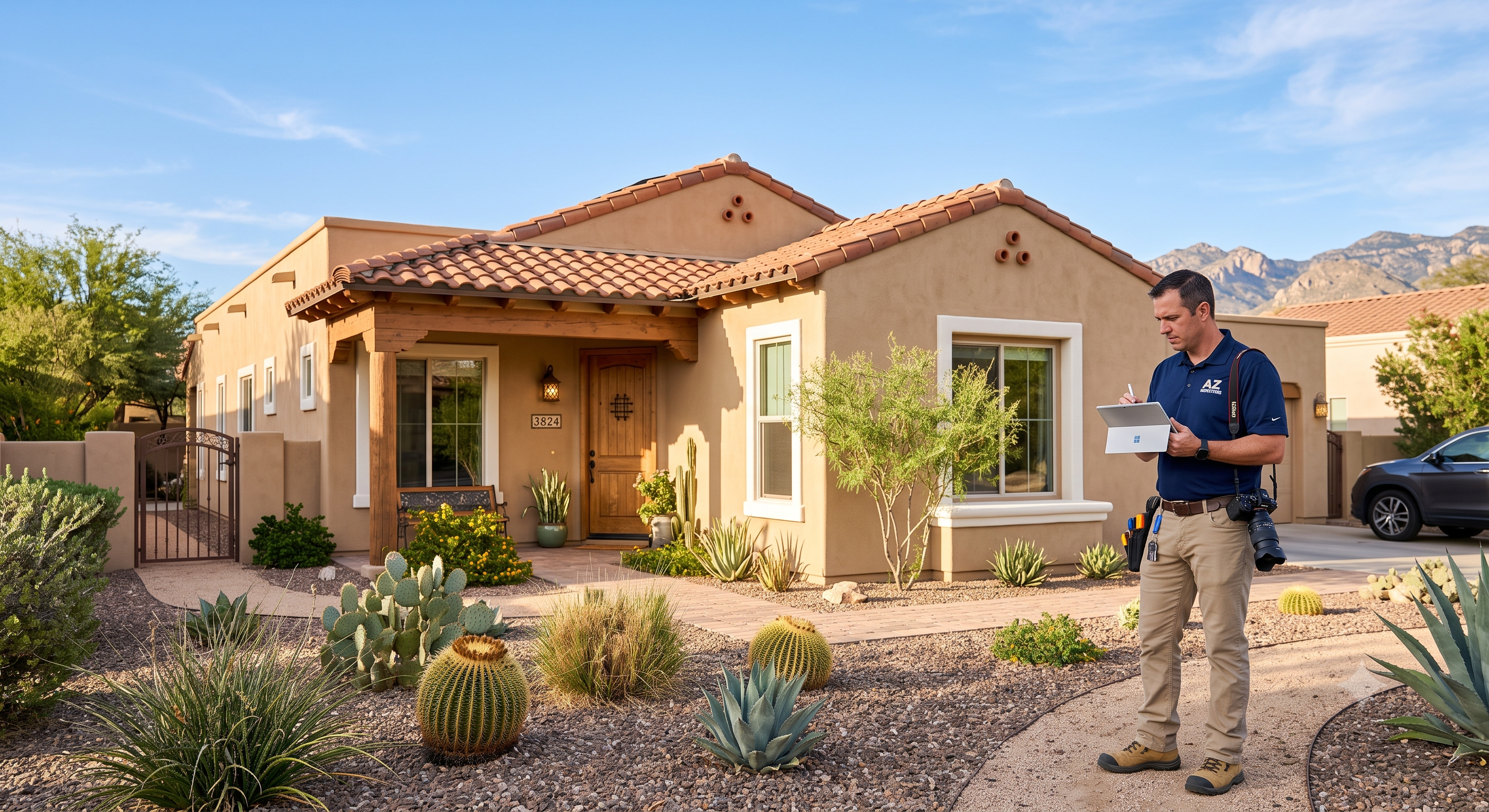
The home inspection is a pivotal milestone in any real estate transaction, but it is often the most misunderstood. This guide breaks down the inspection process step-by-step, clarifying the true purpose of the evaluation, what buyers and sellers should expect, common findings in Southern Arizona homes, and how to navigate repair negotiations smoothly.
Few steps in the real estate process create as much anticipation as the home inspection. For buyers, it is the moment they look beneath the fresh paint and staging to see how the house actually functions. For sellers, it can feel like a stressful audit of how well they have maintained their property over the years.
Understanding the mechanics of a home inspection—and approaching it with the right mindset—removes the anxiety from the process. When both parties know what to expect, the inspection transforms from a hurdle into a practical, educational tool.
The True Purpose of a Home Inspection
A home inspection is a limited, non-invasive examination of the condition of a home, often conducted in connection with the sale of that property. It is designed to provide an objective assessment of the home’s major systems, structural integrity, and overall safety.
Many people mistakenly believe an inspection is a pass-or-fail test. In reality, houses do not pass or fail. The inspector’s job is simply to observe and report on the physical condition of the property on that specific day. They are looking for material defects—issues that significantly affect the value, structural integrity, or safety of the home—not assessing cosmetic flaws or evaluating whether the home is a "good deal."
Setting Proper Expectations
Buyer Expectations When purchasing a resale home, buyers must remember that they are buying a used structure. Every home, even new construction, will have a list of findings on the inspection report. The goal is not to demand a flawless house from the seller, but to gain a clear understanding of the property's condition so you can plan for future maintenance.
When reviewing the report, it helps to categorize the findings. Separate the routine maintenance items (like replacing air filters or caulking a sink) from the major mechanical or structural concerns. This perspective will help keep you grounded when it is time to discuss potential repairs.
Seller Expectations It is completely normal for sellers to feel a bit defensive when an inspector identifies flaws in a home they have loved and cared for. The best approach is to detach emotionally. The inspector is obligated to note every defect they find, no matter how minor.
Sellers can streamline the process by preparing the home before the inspector arrives. Ensure there is clear, unobstructed access to the electrical panel, the water heater, the HVAC system, and the attic hatch. Replace burnt-out lightbulbs so the inspector does not have to guess whether a fixture is broken, and clear away items blocking under-sink plumbing.
Common Findings in Southern Arizona Homes
The extreme climate of Southern Arizona places unique demands on a home's infrastructure. According to the American Society of Home Inspectors, regional weather patterns heavily influence the wear and tear a house experiences. During a Tucson home inspection, several specific areas frequently require attention:
- Roofing Systems: The combination of intense ultraviolet sun exposure and driving monsoon storms accelerates the aging of roofing materials. Underlayment beneath concrete tiles often dries out and cracks over time, and flat roofs with elastomeric coatings require regular recoating to prevent leaks.
- HVAC Systems: Air conditioners in Pima County work incredibly hard. Inspectors will evaluate the age of the unit, the temperature differential of the air it produces, and whether it has been professionally serviced.
- Plumbing Concerns: Tucson's notorious hard water can lead to calcium buildup around fixtures, valves, and water heaters, reducing their lifespan. Additionally, in homes built between the late 1970s and the mid-1990s, inspectors will look for polybutylene piping, which is known to degrade and leak over time.
- Pest Intrusions: While a standard home inspection does not replace a specialized Wood-Destroying Insect (WDI) report, inspectors often note the presence of mud tubes indicating subterranean termites, or damage to insulation and wiring caused by pack rats.
- Sun Damage: Exterior components like window caulking, weather stripping, and exposed wood trim often show signs of severe sun rot, which can lead to moisture intrusion if left unsealed.
Evaluating Safety Concerns
While every defect on an inspection report matters, safety hazards require immediate attention. These are conditions that pose a direct risk to the occupants.
Electrical issues are among the most common safety hazards. In historic Tucson neighborhoods, inspectors may find outdated wiring, ungrounded receptacles, or electrical panels that have been recalled by the manufacturer. Gas leaks around water heaters or furnaces are another critical safety flag.
In Southern Arizona, pool safety is also a major focus. The Arizona Department of Health Services enforces strict pool barrier regulations to prevent accidental drownings. An inspector will verify that fences, self-closing gates, and door alarms meet current safety standards.
Navigating Repair Negotiations
Once the inspection is complete and the report is delivered, the repair negotiation phase begins. In Arizona, this is formally conducted using the Buyer Inspection Notice and Seller Response (BINSR) document.
The BINSR is a structured process. The buyer reviews the report and formally submits a list of requested repairs to the seller. The buyer can request that specific items be fixed, or they can choose to accept the home as-is. If the home has too many severe issues, the buyer also has the right to cancel the contract entirely during their inspection period and retain their earnest money.
If repairs are requested, the seller has an opportunity to respond. The seller can agree to fix all the items, offer to fix some of the items, decline to make any repairs, or offer a monetary credit in lieu of repairs. The buyer then has a final opportunity to accept the seller's response or cancel the transaction.
When negotiating repairs, it is practical to focus on health, safety, and structural integrity. Asking a seller to replace a failing water heater or repair an active roof leak is reasonable. Asking a seller to touch up scuffed baseboards or replace a dated, but functioning, ceiling fan often derails negotiations unnecessarily.
A home inspection is simply an exercise in gathering data. When buyers and sellers approach the process logically, understanding the unique environmental factors of Southern Arizona and respecting the structured negotiation process, the transaction can move forward smoothly and confidently.
Frequently Asked Questions
How long does a home inspection usually take? For a standard single-family home in Tucson, an inspection typically takes between two and a half to three and a half hours. The exact time depends on the size, age, and condition of the property, as well as whether the home has additional features like a pool or a guest house.
Should the buyer be present during the home inspection? While buyers do not need to follow the inspector around for the entire duration, it is highly recommended that they attend the last 30 to 45 minutes. The inspector will provide a verbal summary of their findings, physically point out key features like the main water shut-off valve, and answer any direct questions.
Does a home inspection cover termites? A standard home inspection focuses on the physical structure and mechanical systems. While a general inspector might note obvious signs of pests, a dedicated termite inspection—resulting in a Wood-Destroying Insect (WDI) report—must be performed by a licensed pest control professional.
Can a house fail a home inspection? No. A home inspection is not a pass/fail exam, nor is it an appraisal that determines market value. It is simply a detailed report on the physical condition of the property's components on the day the inspection was performed.
Who pays for the home inspection? The buyer is almost always responsible for hiring and paying the home inspector. Because the inspector works directly for the buyer, this ensures the assessment is completely independent and objective.
Sources & Additional Resources
Arizona Department of Real Estate
American Society of Home Inspectors
Pima County Development Services
Arizona Department of Health Services – Pool Safety

Tom Krieger
| The TJK Team - Realty Executives Arizona Territory
or another way