
Categories
Homeowner GuidePublished October 14, 2026
Preparing Your Home for Winter Visitors: A Southern Arizona Owner's Checklist

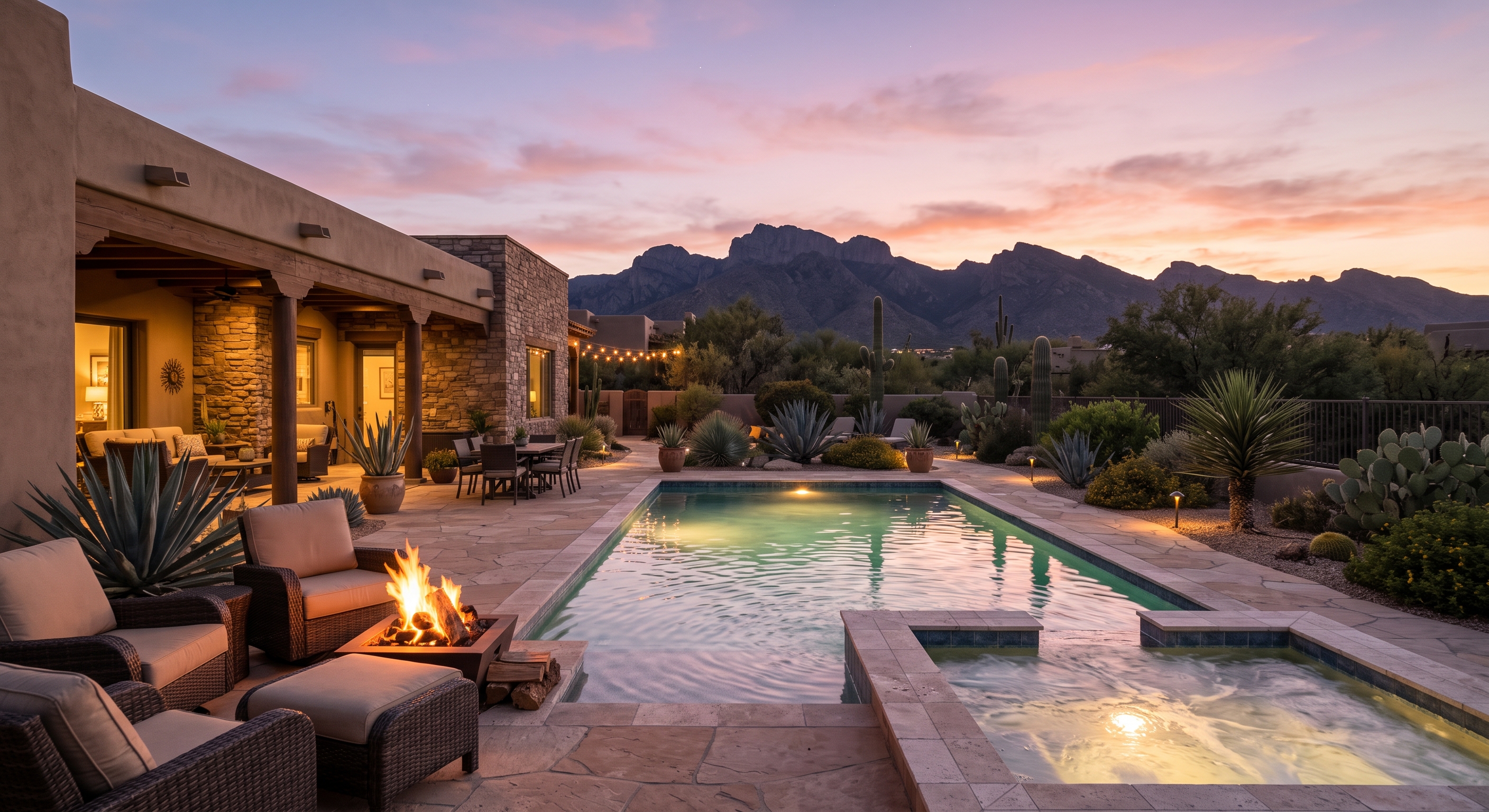
When cooler temperatures sweep across the country, Southern Arizona enters one of its most pleasant times of year. For many local homeowners, late autumn and early winter signal the arrival of seasonal guests, visiting family, or long-term winter visitors taking advantage of Tucson’s mild climate.
Preparing a Tucson-area home for winter visitors involves a unique set of considerations. While homeowners in northern climates focus on heavy freeze protection and snow prep, Southern Arizona residents must manage wide daily temperature swings, transition HVAC systems, check pool and irrigation equipment, and safeguard seasonal energy efficiency.
This comprehensive checklist covers everything you need to do to ensure your home is comfortable, safe, and efficient for the winter season.
HVAC Switchover and Climate Control
Southern Arizona winters bring warm, sunny afternoons paired with surprisingly crisp desert nights. Managing this temperature spread efficiently requires a seasonal check of your heating and cooling system.
1. Transitioning from Cooling to Heating
Most homes in the Tucson area utilize heat pumps or dual-fuel systems. Before turning on your heating system for the first time:
- Replace HVAC Filters: Clean filters ensure maximum airflow and improve indoor air quality for your guests
. - Test the Furnace or Heat Pump: Run your heating system through a full cycle on a cool evening before guests arrive. It is common to smell a faint, burning dust odor during the initial start-up; this should dissipate within a few minutes.
- Schedule Professional Maintenance: An annual HVAC tune-up ensures electrical connections, reversing valves, and blower motors are in safe working order.
2. Thermostat Management
Consider installing a smart thermostat. This allows you to set comfortable daytime and nighttime schedules for guests while monitoring energy usage when the home is unoccupied.
Weatherproofing for High-Desert Winters
While deep freezes are rare in the Tucson valley, localized frost and chilly night winds are routine between December and February.
1. Sealing Gaps and Drafts
Desert winds can drive dust and cold air through small gaps. Inspect weatherstripping around exterior doors, especially sliding patio doors leading to outdoor living spaces. Replace worn sweeps and apply caulk around drafty window frames.
2. Pipe and Exterior Fixture Protection
Frost warnings occur periodically throughout Pima County, particularly in higher-elevation areas or near dry wash basins:
- Insulate Exposed Piping: Wrap exposed outdoor water lines, backflow preventers, and hose bibs with insulation sleeves or protective covers.
- Disconnect Garden Hoses: Leaving hoses attached to outdoor spigots during a freeze can trap water and damage internal valves.
Landscaping Adjustments for the Cool Season
The transition into winter is a distinct phase for Sonoran Desert landscaping and outdoor living areas.
1. Protecting Frost-Sensitive Vegetation
Certain desert flora—such as succulents, bougainvillea, citrus trees, and young columnar cacti—are vulnerable to overnight frost:
- Keep frost cloth or light blankets readily available.
- Avoid using plastic tarps directly touching plant foliage, as plastic transfers cold and can damage leaves.
2. General Yard and Patio Cleanup
Clear fallen leaves, seed pods, and debris from walkways, patios, and roof gutters. Trim dead branches from trees and desert shrubs to prevent wind damage during winter storms. Ensure outdoor lighting along walkways is fully operational to navigate earlier desert sunsets safely.
Pool and Irrigation Care
Outdoor living remains a highlight of winter in Southern Arizona, making pool and irrigation maintenance an essential part of guest preparation.
1. Winter Irrigation Scheduling
Plants require significantly less water during cooler months. Adjust your automated irrigation timer to reduce watering frequency while maintaining adequate depth for desert trees and shrubs. Inspect drip lines for leaks or sun-degraded emitters.
2. Pool Equipment and Water Care
- Adjust Pump Run Times: Cooler temperatures reduce algae growth, allowing you to reduce pool pump run times to save energy.
- Inspect Pool Heaters: If your pool or spa features a gas or electric heater, test it several weeks in advance to ensure heating elements and thermostats function correctly.
- Maintain Water Chemistry: Regularly balance pH and chlorine levels, ensuring the water remains clear and inviting for visiting family.
Energy Efficiency Tips for Winter
Keeping your home comfortable during the winter season does not require excessive utility costs. A few simple adjustments keep energy bills manageable.
1. Harness Natural Solar Heat
Southern Arizona enjoys abundant winter sunshine. Open south- and west-facing blinds during sunny daytime hours to naturally warm living areas, then close window coverings at dusk to retain interior heat.
2. Optimize Ceiling Fans
Set ceiling fans to run clockwise at low speeds during the winter. This gently pushes warm air, which naturally rises to the ceiling, back down into living spaces without creating a cool breeze.
3. Review Water Heater Efficiency
Visiting guests increase domestic hot water demand. Ensure your water heater is set to 120 degrees Fahrenheit to prevent scalding while maintaining energy efficiency, and check for any visible signs of corrosion or leaks around the tank.
Frequently Asked Questions
Do I need to drain my outdoor irrigation system for winter in Tucson?
No. Unlike northern climates, Southern Arizona ground temperatures rarely drop low enough to freeze underground pipes. However, above-ground backflow preventers, exposed PVC lines, and main shut-off valves should be insulated to protect against occasional night frosts.
What temperature should I set my thermostat to during a Southern Arizona winter?
A recommended starting baseline is 68 degrees Fahrenheit while guests are awake and active, dropping to 62–65 degrees at night for comfortable sleeping. Adjust settings based on guest preferences and day-to-night temperature fluctuations.
How do I protect my desert plants during a sudden freeze notice?
Cover vulnerable plants, such as citrus and succulents, with breathable frost cloth or burlap prior to sunset. Secure the fabric to the ground to trap radiant heat rising from the soil. Remove the covers the following morning once temperatures rise above freezing.
Should I heat my swimming pool during the winter months?
Heating a swimming pool in Southern Arizona during mid-winter requires significant energy. Unheated pools typically drop into the 50s or low 60s. If you plan to heat the pool for visitors, utilizing a solar pool cover in tandem with your pool heater will dramatically reduce heat loss overnight.
Why does my heat pump smell when I turn it on for the first time in winter?
A dust-burning smell is normal when activating the heating cycle for the first time each year. Dust accumulates on the electric heating elements during the warm months and burns off quickly during initial startup. If the smell persists for more than an hour or is accompanied by smoke, turn off the system and contact a qualified HVAC technician.
Sources & Additional Resources
City of Tucson Environmental & General Services
Pima County Department of Environmental Quality
University of Arizona Cooperative Extension - Garden & Landscape Resources
Arizona Registrar of Contractors

Tom Krieger
| The TJK Team - Realty Executives Arizona Territory
or another way