
Categories
Tucson Real Estate Market, Buyer GuidesPublished July 15, 2026
Understanding the True Cost of Living in Tucson

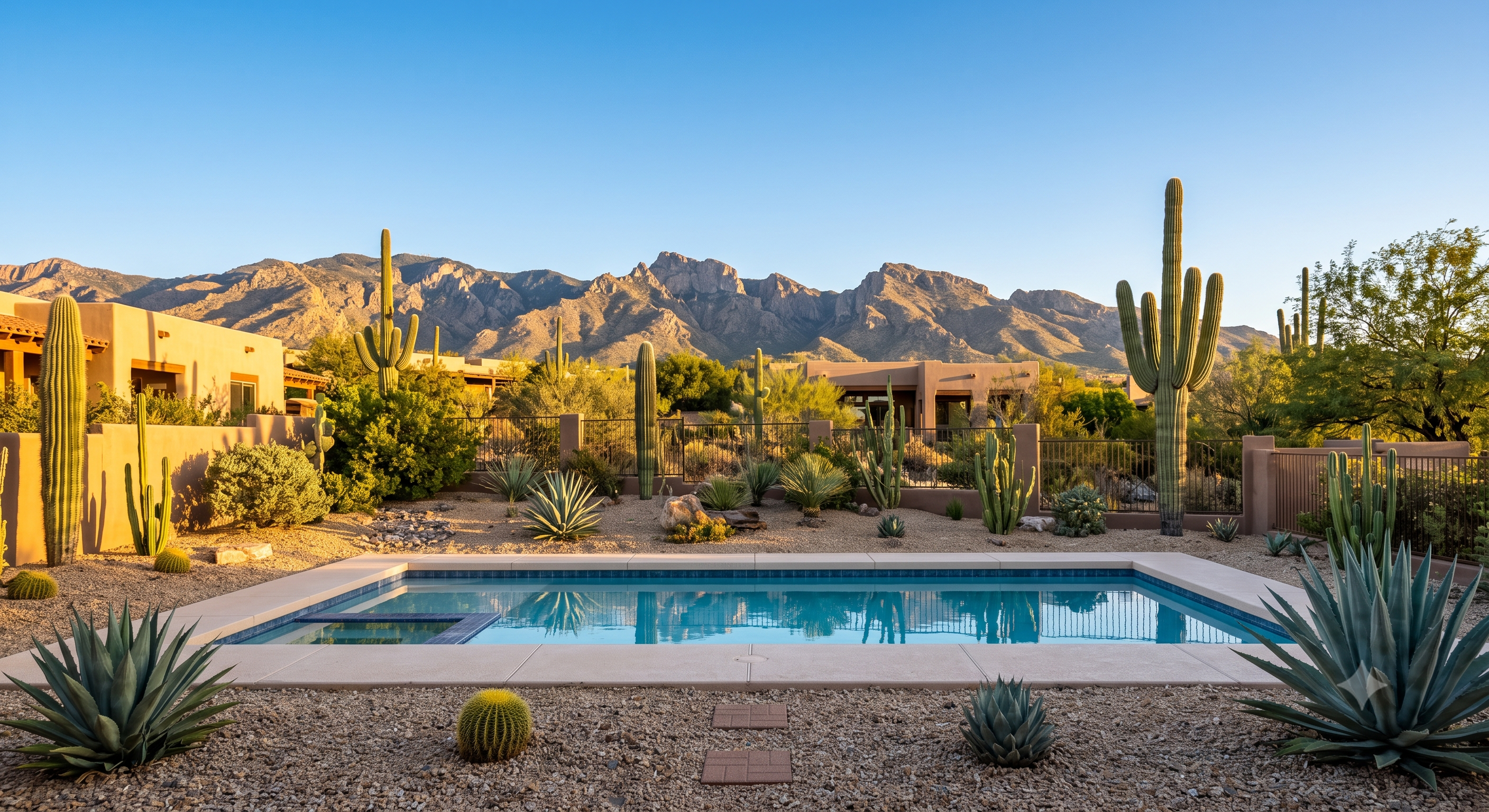
When you purchase a home in Tucson, the list price is only the beginning of your financial equation. Beyond the mortgage, the reality of desert living introduces unique expenses, from elevated summer cooling costs to specialized landscaping maintenance. Understanding these recurring costs helps you build a realistic budget and avoid surprises during your first year of homeownership.
Utility Costs in the Sonoran Desert
Summer Electric Bills
Cooling a home in the Sonoran Desert is a significant expense. During the peak summer months of June through September, when daily highs regularly exceed 100 degrees, your air conditioning works overtime. For a standard single-family home, summer electric bills through Tucson Electric Power (TEP) typically range from $200 to over $350 per month, depending on your home's size, age, and energy efficiency. With TEP implementing rate adjustments in 2026—projected to add roughly 14% to average residential bills—budgeting for these summer spikes is essential. Many homeowners opt for budget billing plans to equalize payments throughout the year, or they invest in solar energy to offset long-term costs.
Water Costs
Water in Tucson is a precious resource, and local pricing structures encourage conservation. Tucson Water utilizes a tiered rate system, meaning the more water you use, the higher the rate you pay per gallon. A typical household focused on desert-adapted landscaping can expect monthly water and sewer bills to range between $60 and $100. However, homes with lush green lawns, large swimming pools, or older irrigation systems can easily see bills double or triple during the hottest months.
Property Taxes and Insurance
Property Taxes
Arizona is known for having relatively low property taxes compared to the national average. In Pima County, the effective property tax rate generally hovers between 0.8% and 0.85% of your home’s market value. The exact amount depends on your specific tax district, school district overrides, and local bonds. Assessed values for property taxes are calculated conservatively, providing predictability for homeowners.
Homeowners Insurance
Homeowners insurance in Tucson remains competitively priced, averaging around $2,100 to $2,200 annually for a typical home with $300,000 in dwelling coverage. While Tucson avoids many of the catastrophic natural disasters that drive up premiums in other states, specific localized risks still apply. Properties located in the foothills or on the edges of the wildland-urban interface may face slightly higher premiums due to wildfire risks. Additionally, older homes with aging flat roofs or outdated electrical systems may require higher coverage limits.
Neighborhood Fees and Upkeep
HOA Fees
Homeowners associations are prevalent across Southern Arizona, particularly in newer master-planned communities like those in Marana, Oro Valley, and Vail. Monthly HOA fees range wildly—from $40 in older, established subdivisions to $300 or more in gated communities with extensive amenities like community pools, clubhouses, and private road maintenance. When evaluating a property, factor the specific HOA dues into your monthly carrying costs and review what those fees actually cover.
Landscaping Expenses
Desert landscaping might look low-maintenance, but it requires regular, specialized care. The combination of intense sun and monsoon rains creates a cycle of rapid weed growth and debris accumulation. Most homeowners budget between $75 and $150 a month for professional landscaping services to handle weed control, trim fast-growing native trees like mesquites and palo verdes, and maintain drip irrigation systems. Overlooking routine irrigation maintenance can lead to underground leaks, which quickly become expensive water bills.
Annual Maintenance Budgeting
The Tucson climate accelerates wear and tear on specific home components. The intense UV radiation degrades exterior paint, flat roof coatings, and window seals faster than in temperate climates. You should budget approximately 1% to 2% of your home's value annually for maintenance. Critical yearly tasks include servicing your HVAC system every spring before the heat hits, recoating elastomeric flat roofs every three to five years, and performing annual termite inspections.
Owning a home in Tucson is a rewarding experience when you know what to expect. By factoring in the realities of summer cooling, desert landscaping, and local taxes, you can comfortably enjoy the lifestyle Southern Arizona offers without financial stress.
Frequently Asked Questions
Are property taxes in Tucson paid monthly or annually? Property taxes are assessed annually but are billed in two installments, due in October and March. If you have a mortgage, your lender will typically divide your annual tax bill by twelve and collect it monthly through an escrow account.
How much does it cost to maintain a pool in Tucson? A private pool adds significant utility and maintenance costs. Expect to spend $100 to $150 per month for professional cleaning and chemical balancing, plus an additional $50 to $100 in elevated water and electricity usage during the summer.
Is solar power worth the investment in Southern Arizona? With over 300 days of sunshine a year and rising utility rates, solar panels are highly effective in Tucson. Whether leasing or buying, solar can significantly reduce or eliminate your monthly electric bill, though the upfront installation costs or lease terms must be weighed against long-term savings.
What is the wildland-urban interface? The wildland-urban interface refers to areas where residential development meets undeveloped natural desert, such as the Catalina Foothills or the edges of Saguaro National Park. Homes in these areas may require specialized insurance and strict brush clearance around the property to mitigate wildfire risks.
Do I need a water softener in Tucson? Tucson has "hard" water, meaning it contains high levels of dissolved minerals like calcium and magnesium. While perfectly safe to drink, hard water can cause mineral buildup on plumbing fixtures and appliances. Many homeowners choose to install water softeners, which require a maintenance budget for salt and occasional servicing.
Sources & Additional Resources Pima County Assessor's Office https://www.asr.pima.gov Tucson Electric Power (TEP) https://www.tep.com Tucson Water https://www.tucsonaz.gov/water

Tom Krieger
| The TJK Team - Realty Executives Arizona Territory
or another way