
Categories
Tucson LifestylePublished October 9, 2026
Tucson Meet Yourself: The Ultimate Guide to Tucson’s Favorite Fall Festival

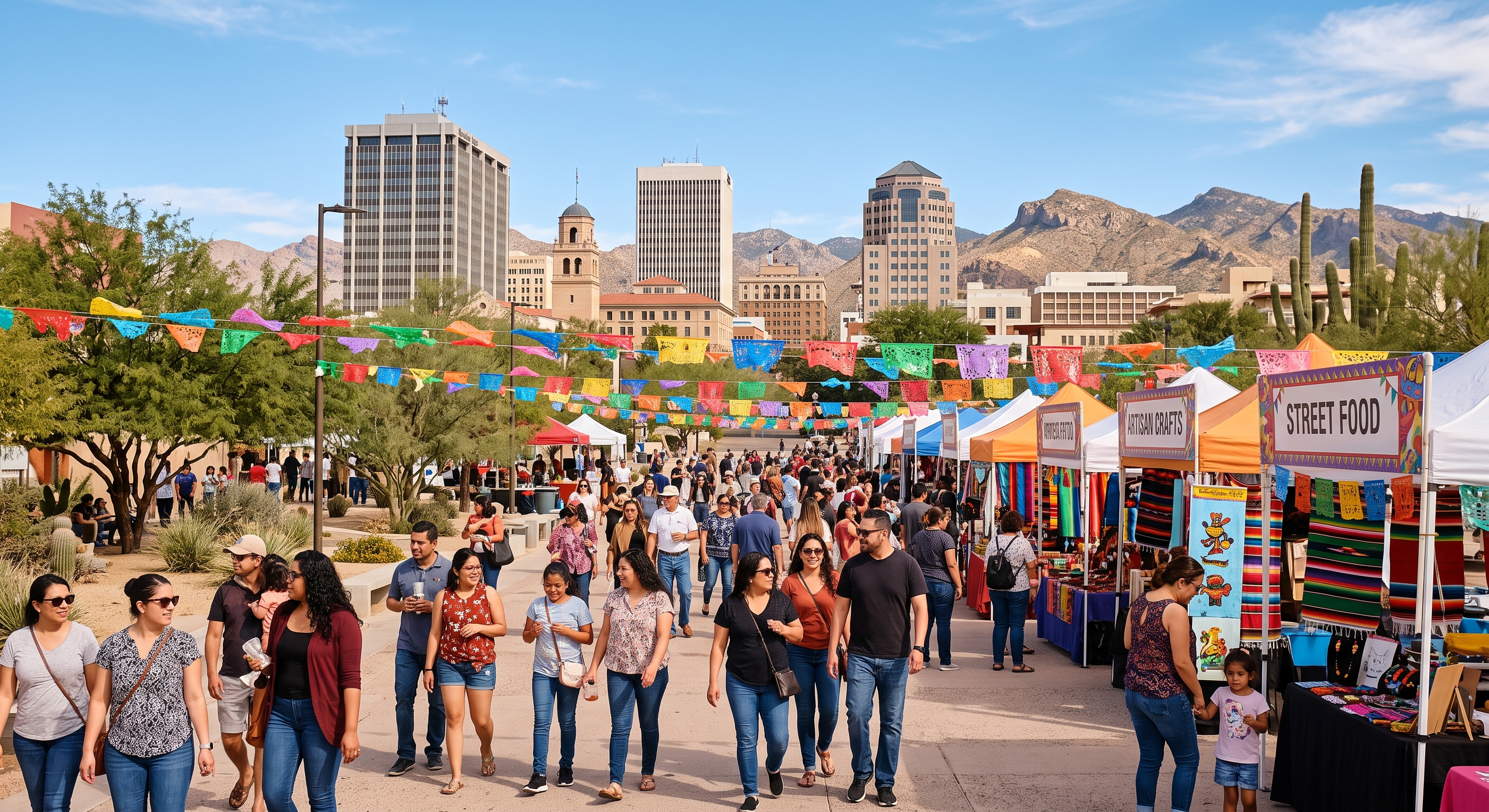
Each October, downtown Tucson transforms into a sensory celebration of aromas, rhythms, and traditions. Known affectionately by locals as "Tucson Eat Yourself," Tucson Meet Yourself (TMY) is a cornerstone of Southern Arizona’s cultural calendar.
Spanning three days across Downtown Tucson and Jacome Plaza, TMY is far more than a typical weekend street fair. It is an authentic living exposition of the region’s diverse heritage, bringing together folk artists, traditional performers, cooks, and community members to honor the cultural mosaic that defines Southern Arizona.
The History and Roots of Tucson Meet Yourself
Tucson Meet Yourself was founded in 1974 by celebrated folklorist and author Dr. James "Jim" Griffith (affectionately known locally as "Big Jim") and his wife, Loma Griffith. Created under the auspices of Southwest Folklife Alliance, the festival was designed to celebrate the living traditional arts and foodways of the diverse ethnic and cultural communities that call the Sonoran Desert home.
From its modest beginnings as a modest gathering of local performers and home cooks, TMY has grown into a major regional event drawing more than 100,000 visitors annually. Unlike modern commercial festivals, TMY remains committed to authentic folklife representation:
- Folkloric Integrity: The festival focuses on heritage, oral traditions, and traditional techniques passed down through generations.
- Non-Commercial Core: Vendors are primarily non-profit cultural groups, ethnic clubs, religious organizations, or traditional family cooks rather than commercial concessions.
- Community Focus: The festival prioritizes cultural preservation and mutual understanding above commercial growth.
Over five decades later, the festival stays true to Dr. Jim Griffith’s founding vision—a place where neighbors gather to learn from, celebrate, and respect one another's traditions.
Essential Culinary Highlights
- Native American Fry Bread: Prepared fresh by local Indigenous cooks, offered both savory (with green or red chile) and sweet (with honey and cinnamon).
- Authentic Sonoran Specialties: Mesquite-grilled carne asada, fresh tamales, and Sonoran-style hot dogs served on soft bolillo rolls.
- Global Street Food: From Laotian sausage and Thai teas to Greek gyros and Ukrainian pierogies, the festival acts as an edible map of Tucson’s refugee and immigrant communities.
Tip for attendees: Bring cash, arrive early in the day to beat the longest lines, and consider sharing smaller portions with friends so you can sample dishes from multiple regions.
Cultural Performances and Master Artisans
Beyond the food courts, Tucson Meet Yourself hosts multiple stages featuring continuous music, dance, and storytelling throughout the weekend.
Live Music and Performance Stages
The festival features multiple performance venues set up throughout Jacome Plaza and surrounding streets. Attendees can experience:
- Waila Music: Also known as "Chicken Scratch," this traditional social dance music of the Tohono O'odham nation blends European polka rhythms with Indigenous instrumentation.
- Traditional Dance: Folklorico troupes, African drum and dance ensembles, Polynesian dancers, and Mariachi groups perform throughout the weekend.
- Sacred and Ceremonial Traditions: Respectful demonstrations of traditional music, storytelling, and dance representing both regional and international roots.
Folk Arts and Master Artisans
In addition to stage performances, the festival includes designated areas for master folk artists. Visitors can watch traditional craftspeople work in real-time, including:
- Tohono O'odham basket weaving
- Pascua Yaqui wood carving and ceremonial mask making
- Traditional lowrider car displays showcasing custom metalwork, upholstery, and paint
- Low-relief pottery, textiles, and beadwork from regional and international artisans
Parking, Logistics, and Event Details
Planning ahead makes navigating downtown Tucson during festival weekend smooth and straightforward.
Location and Dates
- Where: Downtown Tucson (centered around Jacome Plaza, 115 N. Church Ave, and surrounding city streets).
- When: Annually in early October (typically Friday through Sunday).
- Admission: Free and open to the public. Food and artisan goods are available for purchase directly from vendors.
Accessibility and Comfort
- Accessibility: Jacome Plaza and surrounding streets are fully ADA-accessible with paved walkways and curb ramps.
- Weather Preparedness: October in Tucson is usually warm and sunny, with highs often reaching the mid-80s to low 90s. Wear sunscreen, bring a hat, and make use of free water refill stations set up across the grounds.
How TMY Reflects Tucson's Community Character
Tucson is a city deeply connected to its history and surroundings. Designated as a UNESCO City of Gastronomy in 2015—the first in the United States—Tucson’s food culture spans over 4,000 years of agricultural history.
Tucson Meet Yourself serves as a direct, living expression of this heritage:
- A UNESCO City of Gastronomy in Action: TMY showcases the continuous agricultural and culinary traditions of the Sonoran Desert, highlighting heritage crops like tepary beans, white Sonora wheat, and cholla buds.
- Inclusivity and Shared Heritage: The festival brings diverse groups together—Native American nations, historic Mexican-American families, long-time Anglo residents, and recently arrived refugee populations—creating a shared space built on mutual respect.
- Preservation of Living Traditions: Rather than displaying history behind glass in a museum, TMY keeps culture dynamic, active, and accessible to everyone.
At its core, Tucson Meet Yourself highlights what makes Southern Arizona special: a community that honors its deep roots while welcoming new neighbors to the table.
Frequently Asked Questions
Is admission to Tucson Meet Yourself free?
Yes. Entering the festival grounds and enjoying the live music, dance performances, and artisan demonstrations is completely free. You only pay for the food, drinks, or handcrafted items you choose to purchase.
Are pets allowed at the festival?
While service animals are welcome, festival organizers strongly encourage leaving pets at home due to hot pavement, dense crowds, and food safety regulations around vendor booths.
What are the best hours to visit to avoid the largest crowds?
Friday afternoon and Sunday morning generally offer lighter crowds and shorter food lines. Saturday afternoon through Saturday evening is typically the busiest period of the weekend.
How do food vendors accept payment?
Most food booths accept credit cards, debit cards, and cash. However, bringing cash is recommended as a backup in case mobile point-of-sale systems experience connectivity delays during peak hours.
Where does the money spent at the festival go?
The vast majority of food vendors are local non-profit cultural clubs, religious congregations, and community groups. Proceeds directly support these grassroots organizations and their cultural preservation efforts throughout the year.
Sources & Additional Resources

Tom Krieger
| The TJK Team - Realty Executives Arizona Territory
or another way