
Categories
Market InsightsPublished October 19, 2026
Snowbird Season in Tucson: How Winter Visitors Drive Our Local Economy and Housing Market

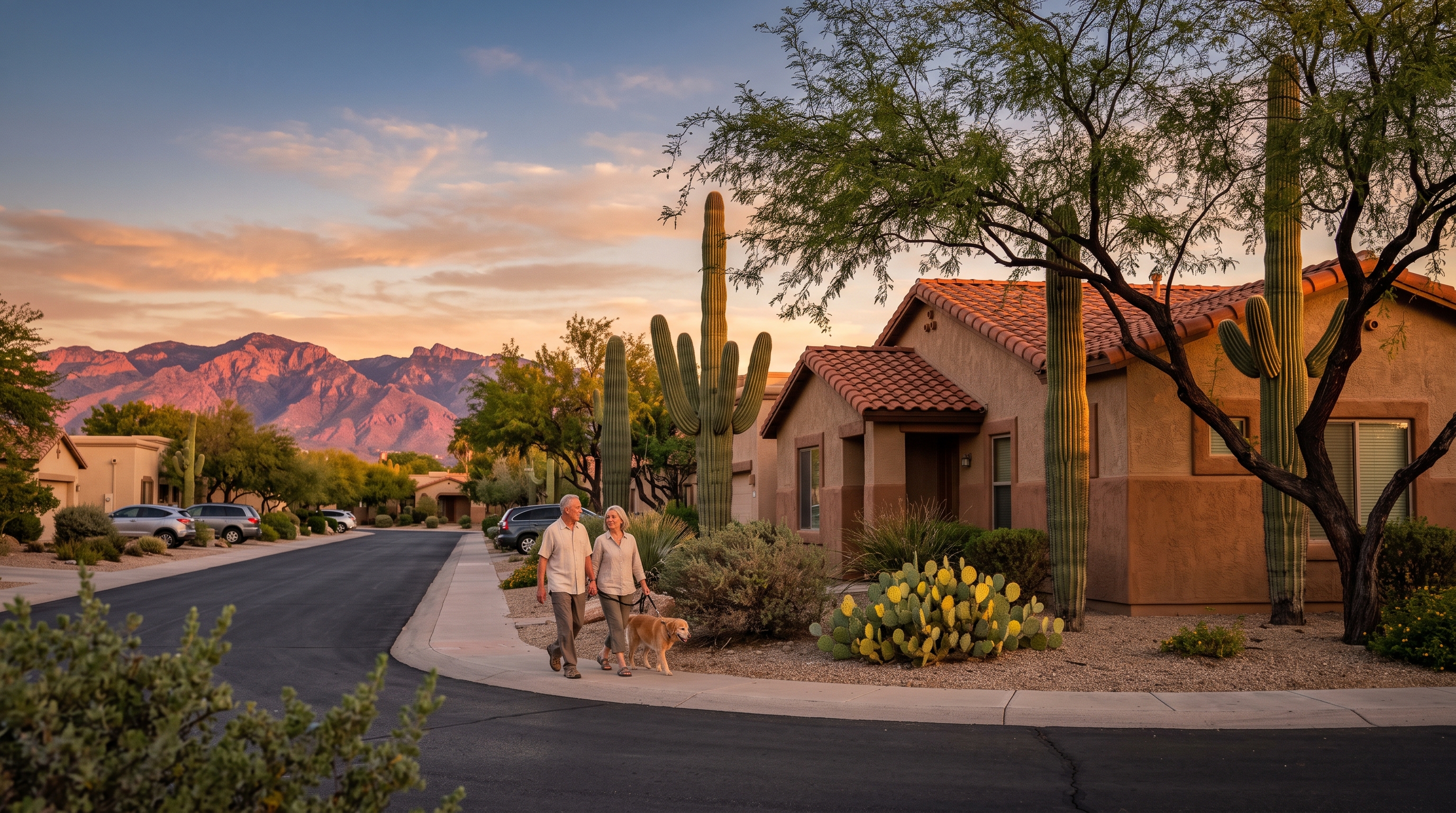
Every year as autumn fades, Tucson experiences a familiar and defining migration. Thousands of part-time residents—affectionately known as "snowbirds"—leave colder northern states and Canadian provinces to spend the winter and early spring in Southern Arizona. This annual influx brings a vibrant shift to the local community, filling neighborhoods, restaurants, and scenic desert trails from late autumn through April.
Beyond the visible seasonal energy, the snowbird migration plays a fundamental role in shaping Tucson’s economic landscape and housing dynamics. From small local businesses and seasonal job markets to short-term rentals and home sales, winter visitors generate a broad economic ripple effect. Understanding these seasonal trends provides valuable insight into how Southern Arizona's real estate market operates and how local infrastructure adapts to accommodate our part-time neighbors.
The Annual Population Shift: Who Arrives and When
Tucson's winter visitor population begins arriving in mid-to-late October, reaching its peak between January and March, before tapering off in April. While accurate seasonal counts can be challenging to pinpoint due to varying lengths of stay, local estimates indicate that Pima County accommodates tens of thousands of seasonal residents each winter, with a substantial portion settling in Tucson, Oro Valley, Green Valley, Marana, and unincorporated county pockets.
This demographic shift is predominantly composed of retirees, semi-retirees, and an increasing number of remote workers seeking mild winter temperatures. Areas like Green Valley and Northwest Tucson experience some of the most noticeable seasonal population increases, though part-time residents are distributed across master-planned communities, active-adult neighborhoods, mobile home resorts, and suburban subdivisions throughout the valley.
This influx creates a predictable seasonal rhythm. Infrastructure, service industries, and local real estate activity calibrate around this recurring cycle, making the winter months the busiest time of year for local commerce and housing inventory.
Economic Impact on Local Businesses and Services
The seasonal population surge provides a substantial boost to the Southern Arizona economy. Seasonal visitors inject direct spending into the local market across several key sectors:
- Hospitality and Dining: Restaurants, local cafes, and entertainment venues across Tucson experience their highest volume of business during the winter months. Many dining establishments hire seasonal staff to manage the increased demand.
- Retail and Commerce: From local boutiques in Fourth Avenue and St. Philip's Plaza to major retail centers in Foothills Mall and Tucson Mall areas, retail sales rise sharply during snowbird season.
- Healthcare and Professional Services: Many part-time residents utilize local healthcare networks, wellness clinics, financial services, and professional maintenance providers, creating demand that supports year-round employment in those sectors.
- Recreation and Tourism: Golf courses, regional parks like Sabino Canyon and Saguaro National Park, cultural centers, and seasonal events—such as the Tucson Gem, Mineral & Fossil Showcase and the Tucson Festival of Books—draw heavy participation from winter residents, fueling the broader tourism economy.
For many small business owners in Pima County, the revenue generated during these peak months provides a financial cushion that helps sustain operations during the quieter, hotter summer season.
Short-Term Rentals and Long-Term Housing Demand
The snowbird season significantly impacts Tucson’s housing market, driving demand across multiple housing segments:
Seasonal Rentals and Short-Term Housing
Demand for seasonal rentals spikes well before winter arrives. Many winter visitors secure their accommodations six to twelve months in advance. Single-family homes, townhomes, condominiums, and furnished short-term rentals experience elevated occupancy rates and premium rental pricing from November through April. This demand provides steady income for property owners and real estate investors managing furnished rentals.
The Part-Time Homeowner Market
A significant percentage of winter visitors choose to purchase second homes rather than rent. This creates a distinct buyer segment within Tucson real estate:
- Low-Maintenance Properties: Condos, townhomes, and homes within HOA-maintained communities are particularly popular among snowbirds who prefer "lock-and-leave" convenience.
- Active-Adult Communities: Age-restricted developments in Oro Valley, Vail, Sahuarita, and Green Valley see increased interest and transaction volume during winter months.
- Market Inventory Dynamics: Because snowbirds are actively touring homes while living in Tucson during the winter, listing activity and home sales traditionally peak between January and April. Sellers often time their listings to coincide with this heightened buyer pool.
Traffic and Community Adjustments
The winter migration requires community-wide adaptations to ensure smooth day-to-day living across the valley:
- Roadway Volume and Traffic Patterns: Major corridors—including Oracle Road, Broadway Boulevard, Kolb Road, and Interstate 10—experience higher traffic volume during peak months. Commuters often adjust travel times to account for busier arterial streets.
- Community Events and Public Spaces: Local organizations, farmers' markets, and cultural venues adjust schedules and expand offerings to accommodate larger crowds.
- Local Service Scheduling: Home service contractors, medical offices, and golf courses often experience packed schedules. Residents—both year-round and seasonal—frequently book services well in advance to avoid long wait times.
Overall, the community adapts smoothly to this annual rhythm, welcoming the economic energy and cultural diversity winter visitors bring to Southern Arizona.
Frequently Asked Questions
When does snowbird season officially start and end in Tucson?
Snowbird season typically begins in late October or early November and lasts through mid-to-late April. Peak density occurs between January and March, coinciding with major winter events like the Tucson Gem, Mineral & Fossil Showcase.
How does snowbird season affect home prices and real estate inventory in Tucson?
Increased buyer activity during winter months often leads to higher transaction volumes and faster sales for well-priced homes. Sellers frequently list their properties during late fall and winter to capitalize on the larger pool of active buyers.
What types of homes are most popular among winter visitors buying in Tucson?
Winter buyers generally favor low-maintenance properties such as townhomes, condominiums, and single-family residences in HOA-maintained or active-adult communities that offer "lock-and-leave" convenience when they return north for the summer.
How far in advance should someone book a winter rental in Tucson?
Due to high seasonal demand, many snowbirds book short-term or seasonal rentals 6 to 12 months in advance. Properties in desirable areas often re-book for the following year before the current season ends.
Sources & Additional Resources
Multiple Listing Service of Southern Arizona (MLSSAZ)

Tom Krieger
| The TJK Team - Realty Executives Arizona Territory
or another way