
Categories
Buyer GuidesPublished July 23, 2026
What Does a Home Inspection Actually Cover?

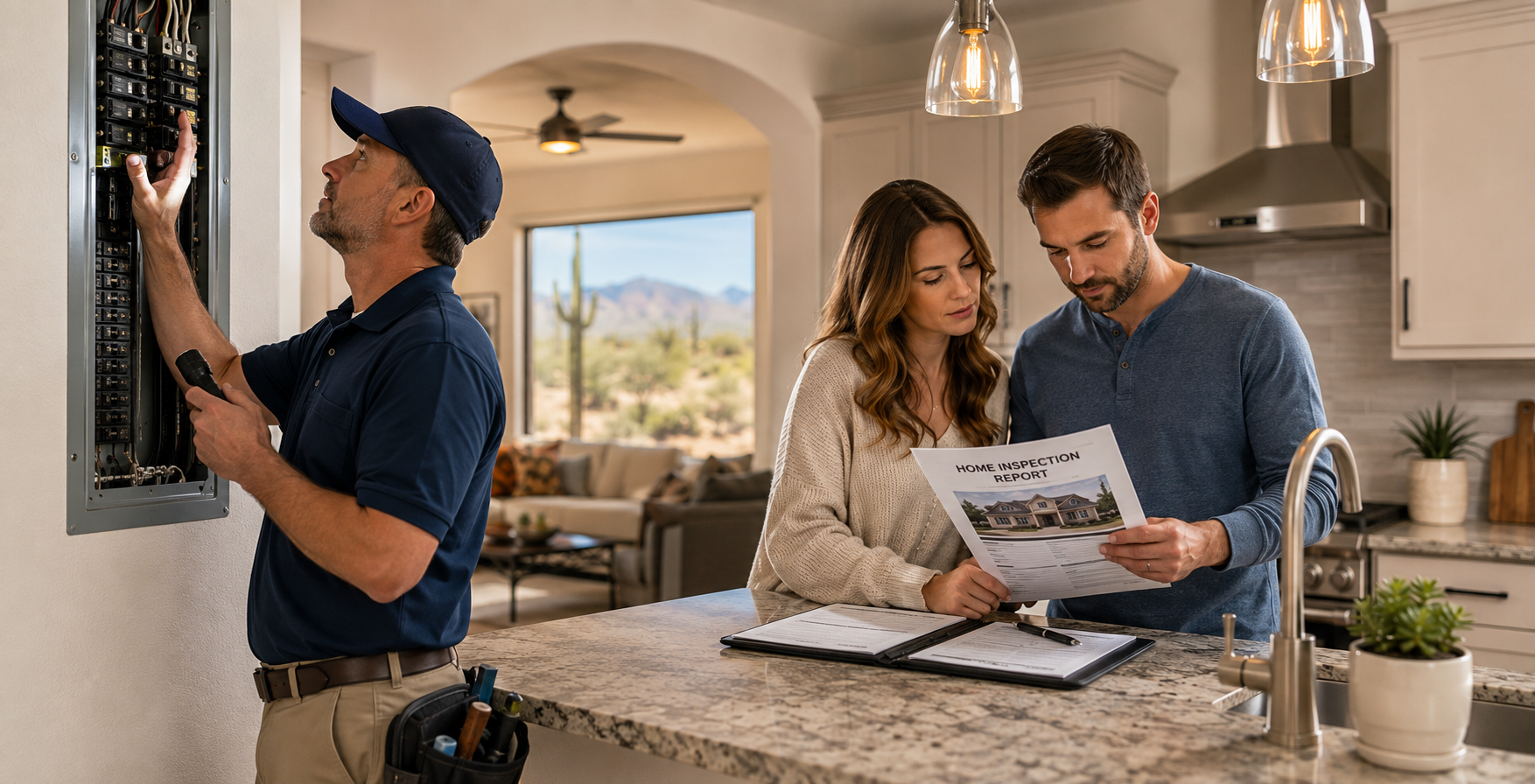
Buying a home is exciting, but it also comes with plenty of questions.
One of the most common questions I hear from buyers is:
"What exactly does a home inspector look at?"
It's a great question—and one that's worth understanding before inspection day arrives.
A home inspection is one of the most informative steps in the home-buying process. Rather than determining whether a home "passes" or "fails," the inspection is designed to provide a clearer picture of the property's condition at a specific point in time.
Every home—even brand-new construction—will have items noted in an inspection report.
That's completely normal.
Understanding what a home inspection typically covers, and what it doesn't, can help buyers approach the process with realistic expectations and greater confidence.
What Is a Home Inspection?
A home inspection is a non-invasive visual evaluation of a home's accessible systems and components.
During the inspection, a licensed home inspector observes the property's visible condition and documents any concerns, maintenance items, or areas that may benefit from further evaluation.
The inspection generally focuses on the home's current condition on the day it takes place.
Because inspectors perform visual evaluations without removing walls, flooring, or other building materials, they cannot see every part of a home.
Instead, the goal is to provide buyers with useful information about the property's major systems and visible components so they can better understand the home they're purchasing.
What Does a Home Inspector Typically Evaluate?
While every inspection may vary slightly depending on the property and inspection agreement, inspectors generally review many of the home's major systems and components.
Exterior
The exterior inspection often includes visible elements such as:
- Roof (accessible areas)
- Gutters and drainage
- Exterior walls and siding
- Windows
- Exterior doors
- Patios and decks
- Driveways and walkways
- Grading around the home
- Visible signs of water intrusion or deterioration
Inspectors typically look for conditions that may require maintenance or additional attention.
Structural Components
Although inspectors cannot see inside walls or below foundations, they generally observe visible structural components, including:
- Foundation (visible portions)
- Floors
- Walls
- Ceilings
- Support structures
- Signs of settlement or movement that are visually apparent
Plumbing System
The plumbing inspection may include:
- Visible supply and drain lines
- Faucets and fixtures
- Toilets
- Sinks
- Bathtubs and showers
- Water heater
- Water pressure
- Visible leaks
Inspectors generally report visible concerns but do not evaluate plumbing systems hidden behind finished walls.
Electrical System
Electrical components commonly reviewed include:
- Main electrical panel
- Circuit breakers
- Visible wiring
- Electrical outlets
- Light switches
- Ground Fault Circuit Interrupter (GFCI) protection where applicable
- Smoke and carbon monoxide detectors (where required or present)
The inspection helps identify visible safety concerns but is not a comprehensive electrical engineering evaluation.
Heating and Cooling Systems
Inspectors typically evaluate the operation of accessible HVAC equipment, including:
- Air conditioning
- Heating systems
- Thermostats
- Visible ductwork
- Airflow at accessible vents
This inspection focuses on general operation at the time of the inspection and does not predict future performance.
Interior Components
Inside the home, inspectors commonly review:
- Walls
- Ceilings
- Floors
- Windows
- Doors
- Stairways
- Railings
- Attic access (when accessible)
- Insulation
- Ventilation
Many reports also note routine maintenance items that homeowners may wish to address over time.
Built-In Appliances
Most standard home inspections include testing of built-in household appliances such as:
- Dishwasher
- Built-in microwave
- Garbage disposal
- Oven
- Cooktop
- Range hood
- Garage doors
Appliance inspections generally verify basic operation but are not intended to evaluate long-term reliability or remaining lifespan.
What a Home Inspection Usually Doesn't Cover
One of the biggest misconceptions is that a home inspection evaluates every aspect of a property.
In reality, many items require specialized inspections or fall outside the scope of a standard home inspection.
Depending on the inspection agreement, these may include:
- Sewer line inspections
- Swimming pools and spas
- Septic systems
- Wells
- Pest or termite inspections
- Mold testing
- Radon testing
- Lead-based paint
- Asbestos
- Chimney inspections
- Property boundary surveys
- Code compliance evaluations
- Future system performance
If concerns arise in any of these listed areas or any other concerns in the inspection report, buyers may choose to consult qualified specialists for additional evaluation. Qualified specialist can include plumbers, electricians, roofers, HVAC techs and more.
Why Every Inspection Report Finds Something
It's common for buyers to feel nervous when they receive a home inspection report.
After all, many reports are dozens of pages long.
But here's something that often surprises people:
Nearly every home inspection report includes findings.
Even newer homes can have minor maintenance items, installation adjustments, or recommendations for future upkeep.
An inspection report is designed to document observations—not to suggest that a home has major problems.
Many findings involve routine home maintenance that naturally occurs over time.
Rather than viewing a report as a list of defects, it can be helpful to think of it as a guide to understanding the home and planning for future maintenance.
What Happens After the Inspection?
Once the inspection is complete, buyers typically receive a written report summarizing the inspector's observations.
Taking time to carefully review the report can help buyers better understand the home's condition.
If questions arise, buyers may choose to discuss the report with their real estate professional or consult qualified specialists regarding any recommendations for additional evaluation.
Every real estate transaction is different, and the next steps depend on the specific circumstances of the purchase.
Common Misunderstandings About Home Inspections
Home inspections are incredibly valuable, but there are a few common misconceptions.
A Home Inspection Is Not a Pass-or-Fail Test
There is no "grade."
The purpose is to provide information—not approve or reject a property.
It Isn't an Appraisal
An appraisal estimates market value for lending purposes.
A home inspection evaluates the visible condition of the property.
These are two separate processes.
It Isn't a Warranty
A home inspection reflects the home's condition on the day of the inspection.
It cannot guarantee that systems won't need repairs in the future.
It Doesn't Predict Future Problems
Even systems operating properly during an inspection may eventually wear out or require maintenance.
The inspection is a snapshot in time—not a prediction of future performance.
Final Thoughts
One of the things I appreciate most about the home inspection process is that it helps buyers better understand the home they're purchasing.
No home is perfect—not even brand-new construction.
The goal of a home inspection isn't to find a flawless property.
It's to provide information that helps buyers understand the home's current condition, identify areas that may require maintenance, and make informed decisions during the buying process.
Understanding what a home inspection typically covers—and what falls outside its scope—can make the experience feel much less overwhelming.
Knowledge helps replace uncertainty with confidence, and that's one of the most valuable parts of the inspection process.
Frequently Asked Questions
Does a home inspection include every part of the house?
No. A standard home inspection is a visual, non-invasive evaluation of accessible areas. Some systems and components may require separate specialized inspections.
Can a house fail a home inspection?
No. Home inspections are not pass-or-fail tests. They are intended to provide information about the home's visible condition.
Should I be worried if the inspection report is long?
Not necessarily. Many inspection reports are extensive because inspectors document observations in detail. Even well-maintained homes often have maintenance items or recommendations noted in the report.
Does a home inspection guarantee there won't be future repairs?
No. A home inspection reflects the condition of the property on the day of the inspection and cannot predict future performance or system failures.
Why are specialized inspections sometimes recommended?
If a home inspector identifies conditions that warrant additional evaluation—or if certain systems fall outside the scope of a standard inspection—a qualified specialist may be recommended to provide a more detailed assessment.

Tom Krieger
| The TJK Team - Realty Executives Arizona Territory
or another way