
Categories
Southern Arizona DevelopmentPublished October 5, 2026
What’s New Around Tucson This Fall: Local Openings, Infrastructure, and Development

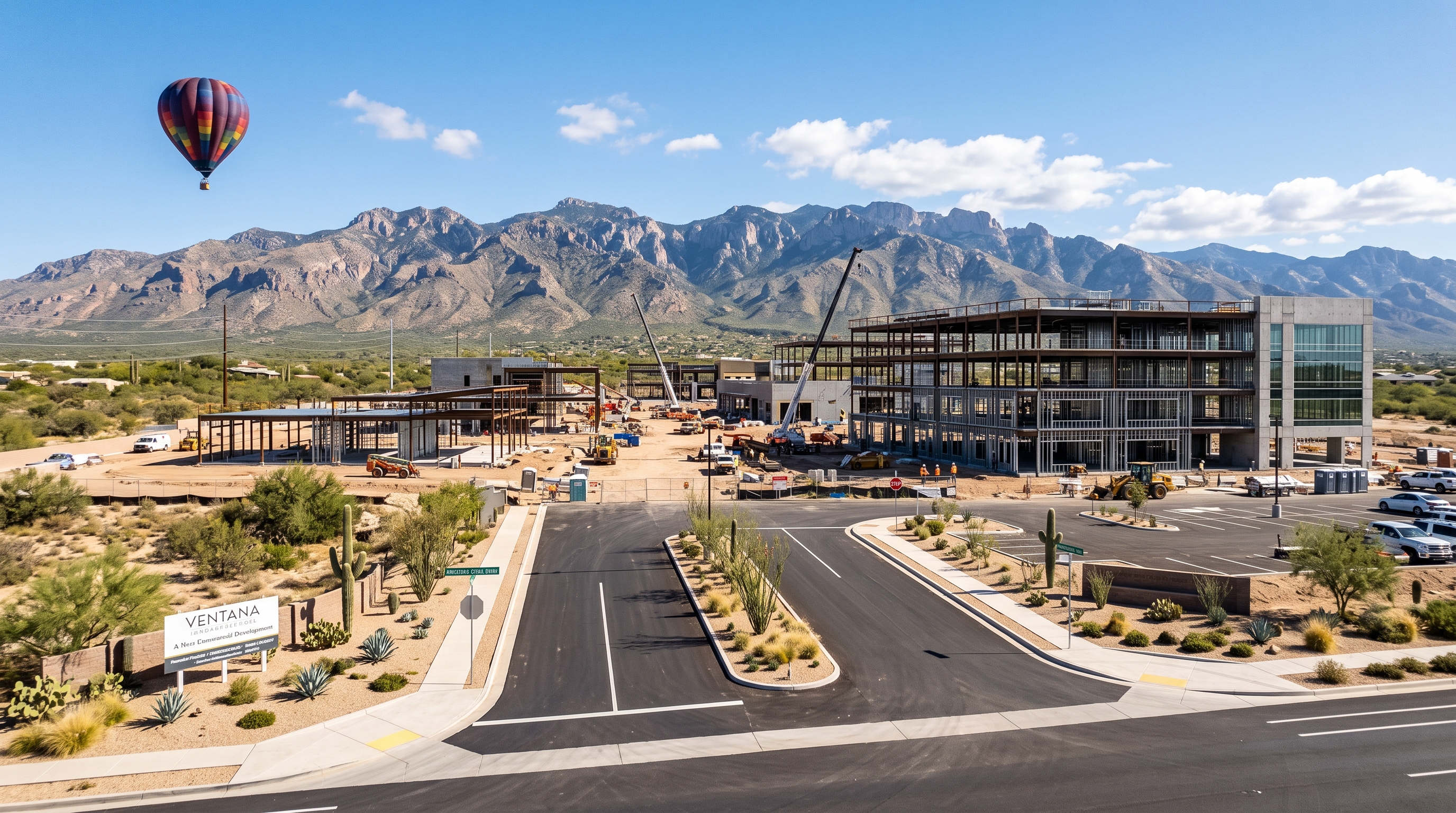
As Southern Arizona transitions out of the extreme heat and summer monsoon patterns, autumn brings a noticeable shift in pace across the Tucson metropolitan area. In Southern Arizona, fall represents far more than a seasonal drop in temperatures—it is traditionally the catalyst for a major surge in local commercial activity, construction deadlines, housing expansion, and municipal project rollouts.
From new dining options and retail hubs to major transportation upgrades and housing developments across Pima County, autumn serves as an operational turning point for regional economic growth. This guide breaks down what is opening, what is under construction, and why this time of year drives Southern Arizona's development landscape.
Why Fall Is a Turning Point for Local Growth
The uptick in development activity across Southern Arizona every September and October is driven by distinct seasonal and logistical factors. Understanding these dynamics helps explain why so many local projects target autumn for completion or kickoff.
- Favorable Weather Windows: Construction productivity shifts dramatically as daytime highs ease from summer peaks. Exterior envelope work, roofing, paving, and concrete pours become significantly safer and more efficient for field crews.
- Post-Monsoon Site Preparation: The conclusion of the summer monsoon season allows civil engineers and earthwork contractors to stabilize sites, address drainage, and proceed with ground-up builds without storm disruption.
- The "Return" of Seasonal Residents and Visitors: The return of winter visitors, University of Arizona students, and seasonal residents expands the local consumer base, prompting retail, hospitality, and dining operators to target pre-holiday openings.
- Fiscal and Budgetary Deadlines: Many private developers and public agencies align project milestones with fourth-quarter deadlines to prepare for Q1 operations or to wrap up municipal fiscal-year allocations.
New Restaurant and Retail Openings
Tucson's retail and culinary sectors experience significant momentum entering the fourth quarter. Commercial tenant improvements (TIs) initiated during the summer months typically culminate in grand openings between September and November.
Main Gate & Downtown Corridors
Urban infill near the Sun Link streetcar route and the University of Arizona campus continues to see adaptive reuse and retail buildouts. High-density corridors along East Congress Street, Broadway Boulevard, and Main Gate Square are seeing a mix of local culinary concepts, fast-casual dining, and service-oriented retail designed to serve the expanding downtown residential population.
Central & Eastside Commercial Hubs
Commercial redevelopments—such as Bourn Companies' "The Works" at Gateway Center—are actively introducing new retail and medical office tenants to established central corridors. On the east side, major retail corridors along Broadway Boulevard and East Tanque Verde Road continue to absorb infill retail, replacing vacant spaces with specialized fitness, dining, and daily-needs businesses.
North and Northwest Submarkets
Major regional anchors, including the ongoing commercial additions at Tucson the Bridges, continue to draw national and regional operators. Further northwest in Marana and Oro Valley, neighborhood commercial centers along Interstate 10, Thornydale Road, and Tangerine Road are adding essential services, drive-thru dining, and everyday convenience options to keep pace with rapid suburban roof-top growth.
Commercial and Industrial Construction Updates
While retail openings capture public attention, large-scale commercial and industrial construction projects serve as the backbone of Southern Arizona's long-term economic expansion.
Industrial & Logistics Expansion
The industrial corridor surrounding Tucson International Airport and the I-10/I-19 interchange remains one of the fastest-growing logistics sectors in the state. Developments such as the I-10 International industrial park deliver modern, large-scale distribution space to accommodate advanced manufacturing, aerospace, and defense contractors linked to Raytheon and regional supply chains.
Medical Office Buildouts
Medical office spaces remain one of the strongest performers in Southern Arizona's commercial real estate landscape. Regional healthcare providers are actively expanding outpatient facilities, cancer care centers, and specialty clinics across Central Tucson, the Foothills, and the Northwest submarkets to bring care closer to expanding residential populations.
Housing Developments Across Pima County
Housing demand across Southern Arizona continues to shape development patterns, with active projects spanning single-family master-planned communities, middle housing infill, and multi-family construction.
- Master-Planned Communities: Master-planned developments such as La Estancia (near Davis-Monthan Air Force Base), La Escalera, Blackhawk, and The Vistas at Rincon Knolls represent significant single-family permit activity, delivering new inventory to meet regional demand.
- Infill & Multi-Family Buildouts: In urban Tucson, multi-family construction remains active. High-profile projects like The Bautista in the Mercado District, Capstone at First and Euclid, and various Choice Neighborhoods developments (including Sugar Hill on Stone and Amazon Flats) are bringing hundreds of market-rate, workforce, and affordable housing units online.
- Middle Housing Implementation: Following local municipal updates, Tucson property owners now have expanded flexibility to develop "middle housing" options—such as duplexes, triplexes, fourplexes, and townhomes—on traditional residential lots, creating new opportunities for gentle density in established neighborhoods.
Infrastructure and Transportation Projects
Municipal and regional infrastructure investments are vital to supporting private sector development and maintaining traffic flow across Pima County.
Regional Roadway Enhancements
Fall marks active construction and phase completions for regional transportation projects managed by the City of Tucson, Pima County, and the Arizona Department of Transportation (ADOT). Major arterial improvements along key east-west routes (including Broadway Boulevard widening phases and Grant Road corridor improvements) continue to enhance traffic capacity and safety.
Utility and Water Management Infrastructure
Water security and utility capacity remain top priorities for Southern Arizona planners. Ongoing infrastructure investments by Tucson Water and regional wastewater divisions focus on reclaimed water systems, stormwater management, and main replacements to support new residential and commercial permits without compromising long-term groundwater sustainability.
Frequently Asked Questions
Why does local commercial construction pick up in Southern Arizona during the fall?
Fall offers safer working conditions for outdoor labor as extreme summer heat subsides. It also marks the end of the heavy monsoon season, allowing contractors to complete exterior site work, paving, and roofing with fewer weather delays ahead of the holiday season and Q1 business launches.
How does new commercial growth affect nearby residential property values?
In general, proximity to new daily-needs retail, dining, and improved infrastructure increases neighborhood convenience, which positively supports home values. However, local impact depends on traffic management, zoning buffers, and how well the commercial development integrates with surrounding residential areas.
What is "Middle Housing," and how is it changing Tucson neighborhoods?
Middle housing refers to multi-unit residential structures—such as duplexes, triplexes, townhomes, and cottage courts—that fit visually within single-family neighborhoods. Updated city zoning guidelines allow for these property types on eligible residential lots, providing diverse housing choices and higher density without changing the fundamental character of established communities.
Where can residents track active municipal road and construction projects?
Residents can track public infrastructure projects through the City of Tucson Planning and Development Services Department (PDSD) portal, the Pima County Department of Transportation project pages, or the Arizona Department of Transportation (ADOT) project updates online.
Sources & Additional Resources
City of Tucson Planning & Development Services
Arizona Department of Transportation (ADOT)
Pima County Development Services
Multiple Listing Service of Southern Arizona (MLSSAZ)

Tom Krieger
| The TJK Team - Realty Executives Arizona Territory
or another way