
Categories
RelocationPublished October 2, 2026
Why Southern Arizona Keeps Attracting New Residents

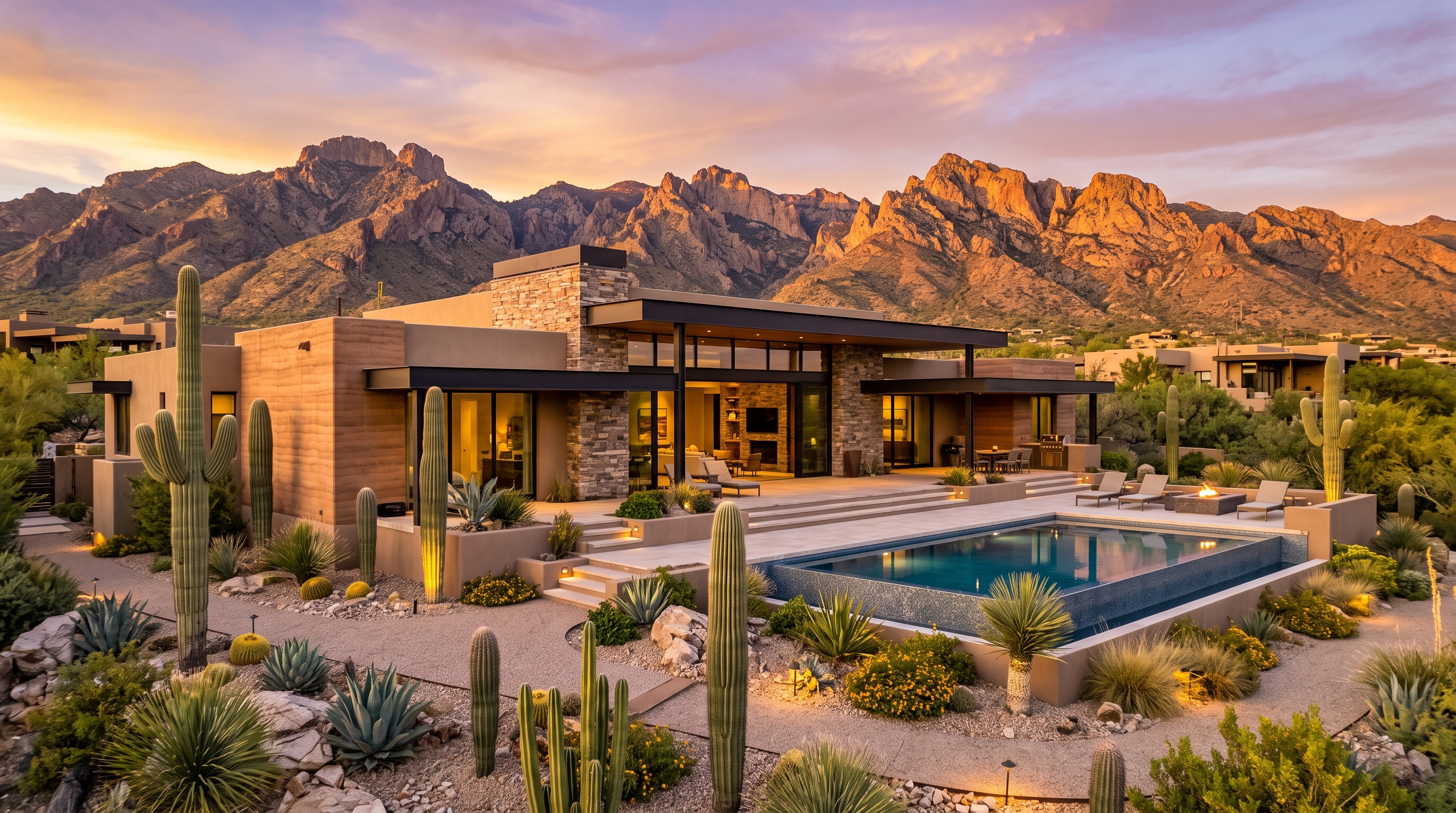
Southern Arizona—anchored by Tucson and surrounding communities like Marana, Oro Valley, Vail, Sahuarita, and Green Valley—continues to experience steady population growth. People relocate to Pima County and the broader region for a combination of environmental, financial, and lifestyle factors rather than a single attribute. Understanding these distinct drivers provides a clearer picture of why individuals, families, and retirees choose to call this portion of the Sonoran Desert home.
Climate and Year-Round Sun
Climate remains one of the primary drivers for inbound migration to Southern Arizona. The region boasts an average of over 300 sunshine days per year, making it a compelling destination for those seeking to escape harsh winter conditions in northern and Midwestern states.
- Mild Winters: Winters in Southern Arizona are notoriously mild, with daytime high temperatures frequently ranging from the mid-60s to low 70s (°F) from November through March.
- Low Humidity: The arid environment keeps relative humidity low year-round, which many residents find comfortable compared to humid coastal or southern climates.
- Distinct Seasons: While summers feature high temperatures—often exceeding 100°F in June and July—the region experiences a dramatic summer monsoon season (July through September) that brings essential rain, lowers evening temperatures, and revives desert vegetation.
An Outdoor-Centric Lifestyle
The unique topography of Pima County creates an environment built for outdoor recreation. Tucson is surrounded by five prominent mountain ranges: the Santa Catalinas, Rincons, Santa Ritas, Tucsons, and Tortolitas. This geography allows residents to engage in physical activities throughout the entire year.
- Hiking and Trail Access: Thousands of miles of maintained trails cross through public lands, including Saguaro National Park (East and West districts), Sabino Canyon Recreation Area, and Coronado National Forest.
- Cycling Infrastructure: The region is nationally recognized for its cycling amenities, anchored by The Loop—a 137-mile paved, car-free multi-use path connecting Tucson, Oro Valley, Marana, and South Tucson.
- Golf and Recreation: Dozens of public, private, and resort golf courses operate year-round, alongside extensive county and municipal park systems offering tennis, pickleball, and swimming.
Diverse Employment and Economic Opportunities
Southern Arizona’s economy has expanded beyond its historic foundations to include advanced manufacturing, aerospace, optics, and bioscience sectors. Major regional employers provide stable professional opportunities across several industries.
- Aerospace and Defense: Raytheon Missiles & Defense serves as one of the region's largest private employers, driving a substantial engineering and technical workforce.
- Technology and Innovation: The region is known as "Optics Valley" due to its concentration of optical science, laser, and photonics companies, supported by research from local institutions.
- Higher Education and Healthcare Systems: The University of Arizona, Banner – University Medicine, and local health networks represent major employment hubs for education, administration, research, and medical care.
Cost of Living Advantages
While housing costs have risen nationally, Southern Arizona maintains a competitive cost-of-living advantage when compared to major metropolitan centers in California, the Pacific Northwest, and the East Coast.
- Housing Value: Pima County offers diverse housing options—from master-planned communities in Marana and Vail to historic homes in central Tucson—often yielding more square footage and larger lot sizes per dollar than coastal markets.
- Everyday Expenses: Transportation, utility, and healthcare costs generally align with or fall slightly below national averages, allowing relocating households to stretch their retirement or remote-work incomes further.
Established Military Presence
The military presence plays a vital economic and cultural role in Southern Arizona, creating a continuous flow of service members, civil servants, and defense contractors moving into the area.
- Davis-Monthan Air Force Base: Located in Tucson, Davis-Monthan AFB is home to the 355th Wing and hosts thousands of active-duty military personnel, civilian employees, and military families.
- Fort Huachuca: Situated nearby in Cochise County (Sierra Vista), Fort Huachuca is a major U.S. Army installation specializing in intelligence, signal, and electronic warfare, regularly driving inter-regional relocation.
- Veteran Community: Due to base proximity and military-friendly state tax policies, many service members choose to retire permanently in Pima County following their service.
Education Institutions
Educational resources across Southern Arizona accommodate a wide spectrum of residents, from young families to adult learners and postgraduate researchers.
- Higher Education: The University of Arizona, a Tier 1 research institution, serves over 50,000 students and brings significant academic, athletic, and cultural programming to the area. Pima Community College provides accessible workforce training and vocational programs across multiple campuses.
- K-12 Options: Pima County features diverse K-12 choices across large public school districts (such as Tucson Unified, Amphitheater, Marana, and Vail Unified) along with numerous charter, private, and magnet school options.
Healthcare Infrastructure
Access to comprehensive medical care is a key priority for relocating residents, particularly retirees and active adults. Southern Arizona boasts a well-developed network of hospitals and specialized medical centers.
- Major Health Systems: Banner – University Medicine (including the region's only Level 1 Trauma Center), TMC Health (Tucson Medical Center), and Carondelet Health Network operate medical facilities throughout the region.
- Specialized Care: Facilities such as the University of Arizona Cancer Center (a NCI-designated Comprehensive Cancer Center) provide advanced specialized treatment and clinical trials locally.
Community Amenities and Culture
Southern Arizona offers a distinct cultural identity rooted in Native American, Hispanic, and Anglo heritage. The region balances mid-sized city conveniences with a relaxed desert pace.
- UNESCO City of Gastronomy: In 2015, Tucson became the first city in the United States to receive a UNESCO designation as a City of Gastronomy, reflecting a 4,000-year agricultural history and a thriving local food scene.
- Arts and Events: Annual traditions like the Tucson Gem, Mineral & Fossil Showcase, the Tucson Festival of Books, and the All Souls Procession attract global visitors and foster strong community engagement.
- Master-Planned Communities: Suburban areas like Dove Mountain in Marana, Rancho Sahuarita in Sahuarita, and Rita Ranch in Tucson offer community pools, neighborhood parks, and organized civic events.
Frequently Asked Questions
What is the best time of year to move to Southern Arizona? Many residents prefer moving between October and April to avoid the extreme summer heat. Moving during the winter or spring allows newcomers to unpack and settle in while daytime temperatures are mild.
How does the cost of living in Tucson compare to Phoenix? Generally, Tucson and Pima County offer slightly lower median housing prices and a slightly lower overall cost of living compared to the greater Phoenix/Maricopa County metropolitan area, though specific neighborhoods vary.
What should newcomers know about water availability in Southern Arizona? Water management is handled at state and local levels. Municipalities like the City of Tucson maintain water portfolios that include Colorado River water via the Central Arizona Project (CAP), recycled water, and groundwater conservation programs. Prospective buyers are encouraged to review local water provider reports during their due diligence.
Is Southern Arizona a popular destination for retirees? Yes. Communities like Green Valley, Oro Valley, and various active-adult developments throughout Pima County attract retirees due to the warm winter climate, extensive golf and recreation facilities, and established healthcare infrastructure.
Sources & Additional Resources
Tucson Association of REALTORS® / MLSSAZ

Tom Krieger
| The TJK Team - Realty Executives Arizona Territory
or another way