
Categories
Tucson Real Estate Market, Seller TipsPublished November 13, 2026
What Happens If You Need to Sell Your Tucson Home Before the Holidays?

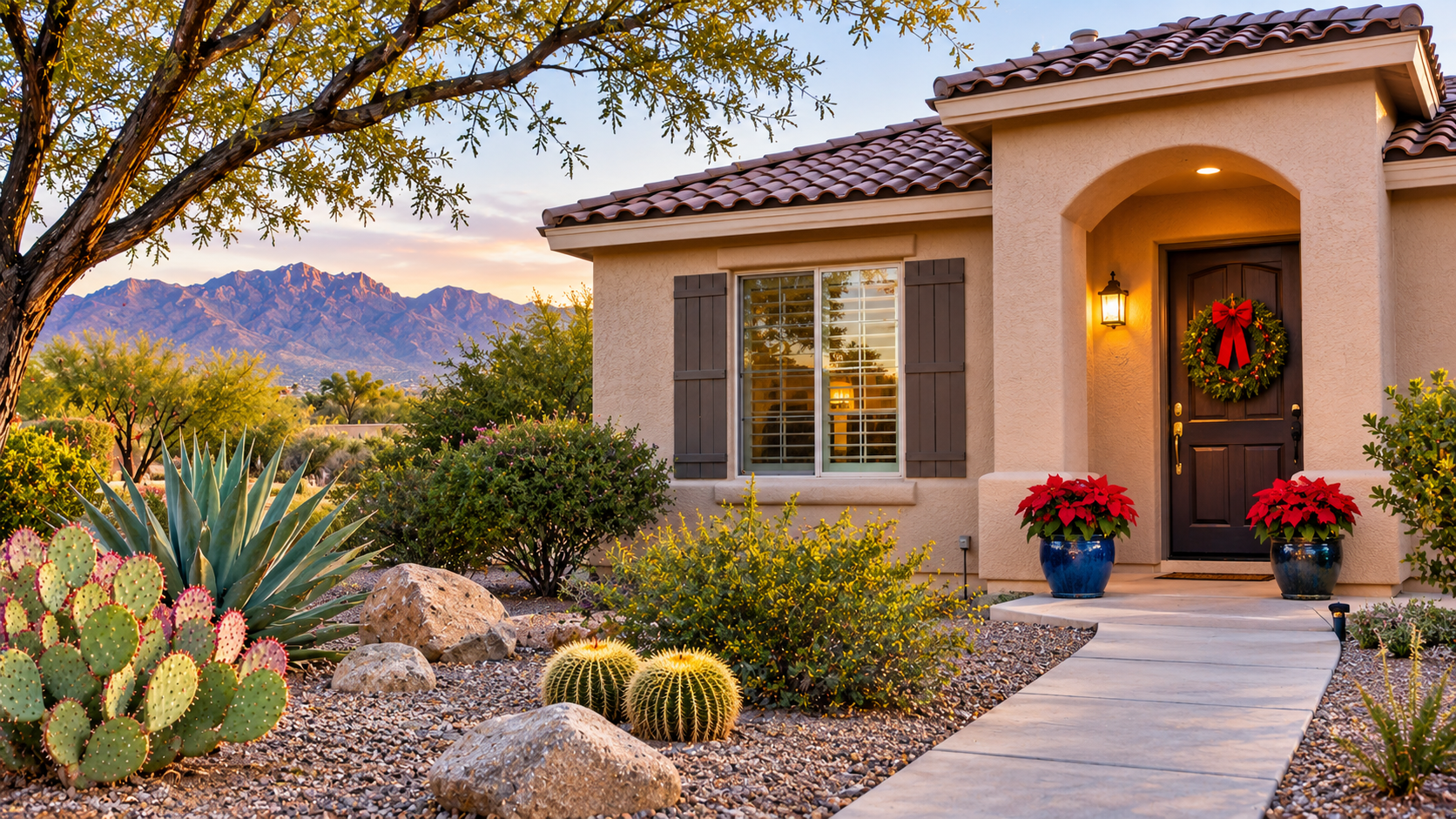
The holidays have a way of filling up the calendar before you know it.
Between travel plans, family gatherings, work schedules, and everything else that comes with November and December, putting a home on the market might seem like one more thing you don't have time for.
But sometimes life doesn't wait for a convenient selling season.
Maybe you're relocating for work. Maybe you've already found your next home. Or maybe your circumstances have changed, and selling sooner rather than later makes sense.
Whatever the reason, the question I usually encourage homeowners to consider isn't just, "Can I sell before the holidays?"
It's, "What would need to happen for that timeline to work?"
Let's look at the moving pieces.
Can You Realistically Sell Your Tucson Home Before the Holidays?
Selling a Tucson home before the holidays may be possible, but the timeline depends on when the property is listed, how quickly a buyer makes an acceptable offer, and what happens during escrow. A signed purchase contract is not a completed sale. Inspections, financing, title work, and closing arrangements can all affect the final date.
The first thing I'd want to know is what you mean by before the holidays.
Are you hoping to have the home listed before Thanksgiving? Be under contract by Christmas? Or have the sale closed and your move completed before New Year's?
Those are three very different goals.
If you're reading this in early November, there's still time to evaluate your options. But it's important to understand that putting a house on the market and completing a sale are separate steps.
The National Association of REALTORS®' guide to the steps between signing and closing explains that inspections, appraisals, title work, and mortgage approval can take several weeks or longer, depending on the transaction.
That doesn't mean a particular closing date is impossible. It means the date needs to be evaluated against the actual work still required.
I would rather help a seller build a realistic plan at the beginning than have them make moving arrangements based on an assumption that hasn't been confirmed.
Start With Your Actual Deadline
Before making any decisions, identify which of these best describes your situation:
- You need to move by a particular date.
- You need the proceeds from the sale for another transaction.
- You'd prefer to sell before the holidays but have some flexibility.
- You want to list now and are comfortable closing after the holidays.
The answer helps shape everything from preparation to pricing and contract negotiations.
How Long Does It Take to Prepare, List, and Close on a Home?
A home sale involves preparation, marketing, offer negotiations, escrow, and closing. Each stage has its own requirements, and there is no universal timetable for completing them. Sellers with a holiday deadline should account for repairs, photography, buyer inspections, appraisal and financing work, document review, and the availability of everyone involved in the transaction.
One of the biggest misconceptions about selling a home is that the clock starts when the listing goes live. In reality, preparation can begin well before that.
You may need to make repairs, clean up landscaping, organize paperwork, schedule photography, and decide how to present the home.
Then comes the period when buyers can view the property and submit offers.
And even after you accept an offer, there's still work to do.
A Practical Holiday-Selling Timeline
| Stage | What Typically Happens | What Could Affect Timing |
|---|---|---|
| Before listing | Evaluate condition, discuss pricing, make needed preparations, arrange photography | Repairs, vendor availability, seller schedule |
| Listing and showings | Publish the listing, accommodate tours, review buyer feedback | Showing access, buyer interest, competing listings |
| Offer negotiations | Review price, contingencies, proposed closing date, and other terms | Negotiations, buyer circumstances, contract terms |
| Under contract | Complete applicable inspections, appraisal, title work, and financing steps | Inspection findings, appraisal issues, lender requirements |
| Before closing | Coordinate final documents, signing arrangements, and required reviews | Holiday schedules, document readiness, lender or escrow availability |
| Closing | Complete required steps for the transaction and confirm recording and possession arrangements | Contract terms and confirmation from escrow/title professionals |
This table describes the sequence, not a guaranteed number of days.
The National Association of REALTORS® identifies mortgage approval, appraisals, inspections, and title searches as common parts of the period between contract acceptance and closing.
For many financed purchases, there's also a federal disclosure requirement to consider.
According to the Consumer Financial Protection Bureau, the buyer must receive the Closing Disclosure at least three business days before closing. Certain significant changes may require a new review period.
That's one reason a proposed closing date needs to be coordinated with the lender and escrow professionals rather than simply selected because it looks convenient on the calendar.
Holiday Schedules Add Another Planning Consideration
In November and December, people may have planned vacations, office closures, or reduced availability.
That can affect access to inspectors, contractors, movers, lenders, and other professionals involved in the sale.
It doesn't mean every holiday transaction will be delayed.
It does mean you should confirm availability early and leave room for unexpected issues.
If your closing date is especially important, ask the professionals involved what still needs to happen and whether the proposed schedule is workable.
How Should You Stage Your Home During the Holiday Season?
Holiday staging should make a home easy to view, photograph, and navigate while allowing buyers to understand the rooms and their features. Clean surfaces, clear walkways, comfortable lighting, and restrained decorations can support that goal. Sellers do not need elaborate seasonal displays, and staging should never conceal property conditions or interfere with access.
Here's something I tell sellers throughout the year: a home doesn't need to look like a model home to make a good impression.
It does need to be clean, organized, and easy for someone to walk through.
During the holidays, that may take a little extra planning.
You might have decorations in storage, gifts arriving, guests visiting, or a dining room that's being used for more than dining.
The goal is to keep the home functional for you while making it accessible to buyers.
Keep Decorations Simple
If you enjoy decorating, you don't necessarily need to skip it.
A wreath, a few seasonal accents, or modest decorations can work without dominating a room.
What I'd avoid is anything that blocks windows, covers important home features, crowds the entryway, or makes rooms look smaller than they are.
The National Association of REALTORS®' consumer guide to staging describes staging as a way to highlight a property's strengths and help buyers envision themselves living there.
Its 2025 staging research found that 83% of surveyed buyers' agents said staging made it easier for buyers to visualize a property as a future home.
That's a national survey finding, not a prediction about what will happen with an individual Tucson listing.
Pay Attention to Lighting
Late-afternoon showings can feel different in November and December than they do during the summer.
Make sure interior lights work, open window coverings when appropriate, and replace burned-out bulbs.
In Tucson, I'd also pay attention to the outdoor spaces.
A clean patio, tidy gravel landscaping, trimmed plants, and an unobstructed walkway help buyers see how those areas function.
Make Showings Manageable
You don't have to make your home available at every possible moment.
But it helps to decide ahead of time how much notice you need and which dates may be difficult.
If you're hosting guests or traveling, discuss that with your agent before the listing goes live.
A predictable showing plan is easier to manage than trying to make last-minute decisions every day.
And don't forget to secure valuables, medications, personal documents, and gifts before showings.
What Should Sellers Understand About Holiday Homebuyers?
Buyers who tour homes during the holidays may have different reasons for searching, including relocation, a changing housing need, or a purchase timeline that extends into the new year. Their motivation, financial readiness, and flexibility cannot be assumed from the season. Sellers should evaluate each offer based on its actual terms and supporting information.
You've probably heard someone say that holiday buyers are more serious.
Sometimes that idea comes from the assumption that anyone looking at homes in December must have a pressing reason to buy.
But I wouldn't build a selling strategy around that assumption.
Every buyer has a different situation.
One person may need to relocate quickly. Another may have been searching for months. Someone else may be starting the process now with plans to move later.
The calendar doesn't tell us which buyer is financially prepared, which buyer will make an offer, or which transaction will close.
Focus on What You Can Actually Evaluate
When an offer comes in, there are concrete details worth reviewing:
- The proposed purchase price
- The buyer's financing arrangements and available supporting documentation
- Inspection, appraisal, and other contingencies
- The requested closing date
- Any seller concessions
- The proposed possession date
- Other terms that affect the seller's goals
The National Association of REALTORS®' seller-agent guide recommends discussing how prospective buyers' financial readiness will be evaluated, including whether a preapproval letter may accompany an offer.
A preapproval is not a guarantee that financing will be completed, but it can be part of reviewing an offer.
Flexibility Can Matter
Suppose a buyer offers terms that otherwise work for you but needs to close in early January.
If your deadline is flexible, that may be worth considering.
On the other hand, if you absolutely must close before the end of December, that timing becomes a more significant part of the decision.
Neither approach is automatically right.
The important thing is to review the entire offer rather than focusing only on the price or assuming that a holiday buyer will be willing to move faster.
How Should You Price Your Tucson Home When Time Matters?
Pricing a Tucson home for a holiday-season sale should begin with relevant comparable properties, current competing listings, condition, location, and the seller's timeline. A deadline does not establish market value. Competitive pricing may support buyer interest, but no asking price guarantees an offer, a particular sale amount, or a closing before the holidays.
This is where I think having a clear conversation early can make a real difference.
If you need to sell by a certain date, it's tempting to start with the amount you want to receive and work backward.
But buyers are also looking at the other homes available to them.
The right starting point is understanding how your property compares.
Look at the Relevant Competition
The National Association of REALTORS®' guide to pricing a home explains that agents consider factors such as a property's size, location, amenities, condition, comparable sales, and current market conditions.
For a Tucson home, I'd want to look closely at properties that are genuinely comparable.
That might mean evaluating homes with similar square footage, condition, floor plans, lot characteristics, and nearby amenities.
I'd also want to understand what buyers can currently choose from in the relevant price range.
A home in Rita Ranch may have a different competitive set than one in Oro Valley, Casas Adobes, or central Tucson.
The goal isn't to compare every listing across the metro area.
It's to understand the alternatives a buyer might reasonably consider.
Don't Let the Holiday Deadline Determine the Asking Price
A deadline is important, but it doesn't change the property's features or what competing homes offer.
Pricing above the supportable range because you want extra room to negotiate can create its own challenges.
Pricing lower simply because the calendar is getting tight may not be necessary either.
The best approach is to review the available evidence and discuss how different pricing choices fit your priorities.
The NAR pricing guide notes that a seller's desired timeline can be part of the pricing discussion, while the seller ultimately decides on the asking price.
Review More Than the Headline Offer Price
If you receive multiple offers, the highest number isn't necessarily the only consideration.
A proposed closing date, contingencies, requested repairs, concessions, and other terms may matter to your situation.
That doesn't mean any particular type of offer is automatically better.
It means each offer deserves a complete review.
And if your home has been listed for a while without the response you expected, look at the feedback, competing properties, condition, marketing, and pricing together before deciding what to change.
What Happens If Your Home Doesn't Close Before the Holidays?
If a Tucson home sale cannot close before a desired holiday deadline, the next step depends on whether the property is still listed or already under contract. Sellers may need to revisit their moving schedule, showing arrangements, or proposed contract dates. Any change to an existing agreement should be reviewed with the appropriate real estate and legal professionals.
This is worth talking about before it happens.
A seller who needs to move by December 20 may have very different options from someone who simply hoped to have everything finished by the end of the year.
If the home hasn't gone under contract, you can reassess the marketing plan, showing schedule, pricing, and timing.
If you're already under contract, the options depend on the agreement and the circumstances.
If Your Home Is Still on the Market
You may decide to continue marketing through the holidays.
Or you may want to adjust showing availability around travel and family plans.
Before making changes, discuss how they could affect the listing and whether there are other steps worth considering.
If You're Under Contract but Closing Is Delayed
Start by identifying what's causing the delay.
Is an inspection issue unresolved? Is the lender waiting on documentation? Has an appraisal or title matter affected the schedule?
The National Association of REALTORS®' guide to overcoming transaction roadblocks identifies financing, inspections, and appraisals as potential issues that may require additional coordination or negotiation.
Whether a closing date can be changed, and what happens if a deadline is missed, depends on the signed contract and applicable law.
Your real estate professional can help coordinate the process, and an Arizona real estate attorney can provide legal guidance about contractual rights and obligations.
Keep Property Disclosures on the Checklist
A busy season doesn't eliminate seller disclosure responsibilities.
The Arizona Department of Real Estate's Buyer Advisory discusses the Seller's Property Disclosure Statement and explains that a seller's disclosure obligations remain even if the parties agree that no SPDS will be provided.
That's another reason to organize property information early rather than treating it as something to handle at the last minute.
Frequently Asked Questions About Selling a Tucson Home During the Holidays
Tucson homeowners often ask whether they should list during the holidays, how long closing may take, whether decorations are appropriate, and how to evaluate an offer with a tight deadline. The answers depend on the home's condition, available competition, buyer financing, contract terms, and the seller's actual moving requirements.
Is November too late to list my Tucson home before Christmas?
Not necessarily. You can list a home in November, but there is no guarantee it will receive an acceptable offer and close before Christmas. Preparation, marketing, negotiations, and escrow all take time. Start by reviewing your actual deadline and the steps required.
Can a home close during the holiday season?
Yes, transactions can close during the holiday season when the required steps are completed and the parties and closing professionals can meet the agreed schedule. Holidays and office availability should be considered when planning dates.
How long does escrow take in Arizona?
There isn't one universal escrow period. The timeline depends on the purchase agreement, financing, inspections, title work, and other transaction requirements. The National Association of REALTORS® notes that the steps between contract signing and closing may take several weeks or longer.
Should I decorate my house for the holidays if I'm selling?
You can, but keep decorations from blocking walkways, windows, room features, or access to important areas. A clean, uncluttered presentation generally makes it easier for buyers to understand the home. See NAR's staging guidance.
Are holiday homebuyers more motivated?
Some may have a time-sensitive reason to move, but motivation varies from buyer to buyer. It's better to evaluate financing information, contingencies, and contract terms than to assume a buyer's level of commitment based on the season.
Should I lower my asking price to sell before the holidays?
Not automatically. Pricing should be informed by comparable properties, condition, competition, and your goals. A tighter timeline may influence your strategy, but a price reduction does not guarantee a sale. The NAR pricing guide explains the factors involved.
What if a buyer wants to close after New Year's?
You can evaluate that proposed date alongside the rest of the offer. If it works with your plans, it may be an option. If your deadline is firm, discuss the timing before agreeing to contract terms.
Should I wait until January to list my home?
That depends on your circumstances, the property's readiness, and the relevant competition. Waiting may give you more preparation time, while listing sooner may better fit your personal schedule. Neither choice guarantees a better result.
Final Thoughts
Selling a home before the holidays isn't automatically a bad idea, and it isn't something I'd recommend rushing into without a plan.
The calendar matters. But so do the condition of your home, the price, the competition, the terms of an offer, and the steps required to close.
If you're thinking about selling your Tucson home before the end of the year, I'd start with a few simple questions.
What date actually matters to you? What needs to happen before the home is ready to list? And how much flexibility do you have if the process takes longer than expected?
Those answers give us something useful to work with.
My goal would be to help you understand the options, prepare the home appropriately, and make decisions based on the information available—not a promise about what the market or a buyer will do.
Because whether you close before the holidays or shortly afterward, a well-considered plan is worth more than an unrealistic deadline.
Important Note: This article is for general educational purposes. Real estate transaction dates, disclosure requirements, and contractual obligations depend on the circumstances and applicable agreements. Consult your real estate professional, escrow or title company, lender when relevant, or an Arizona real estate attorney for questions specific to your transaction.

Tom Krieger
| The TJK Team - Realty Executives Arizona Territory
or another way