
Categories
Homeowner GuidePublished August 5, 2026
A Tucson Homeowner’s Guide to Summer Maintenance

Quick Overview
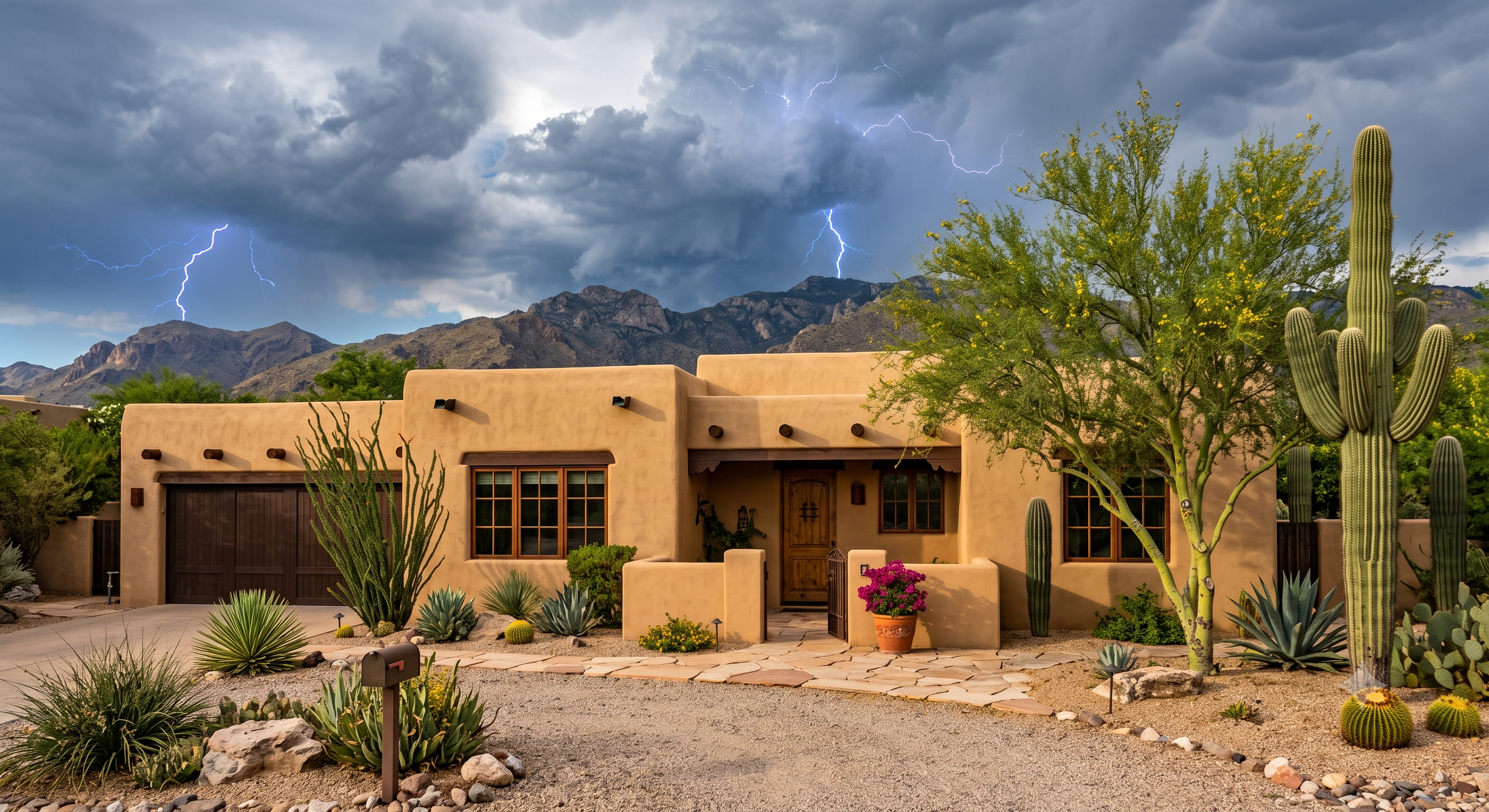
Summer in Southern Arizona brings a unique combination of triple-digit heat and intense monsoon storms. Preparing your home for these extremes can prevent emergency repairs, lower your utility bills, and protect your property from water and wind damage. This guide covers the essential maintenance steps every Tucson homeowner should take during the summer months.
The shift into a Tucson summer requires a proactive approach to home maintenance. Between the relentless sun of June and the sudden, heavy downpours of July and August, local homes endure significant environmental stress. Taking time to inspect and maintain your property's exterior and major systems ensures your home remains safe, efficient, and comfortable throughout the season.
Prioritizing HVAC Performance
Your air conditioning system works harder than any other component of your home during a Southern Arizona summer. When temperatures consistently top 100 degrees, an efficient HVAC system is a matter of safety as well as comfort.
Replace your air filters every 30 days during the peak summer months. Dust and airborne particulates accumulate quickly in the desert, and a clogged filter restricts airflow, forcing the compressor to work harder and increasing the risk of a breakdown. If you have not already scheduled a professional tune-up this year, having a licensed technician check the refrigerant levels, clear the condensate drain line, and inspect the electrical components can prevent a mid-summer failure.
Roof Inspections and Maintenance
Tucson's sun degrades roofing materials over time, and the monsoon season will quickly reveal any vulnerabilities. For homes with flat roofs, check the condition of the elastomeric coating. Blistering, cracking, or peeling indicates that the roof needs to be cleaned and recoated to reflect heat and maintain its waterproof seal.
If you have a tile roof, look for slipped, cracked, or missing tiles, particularly around valleys, vents, and skylights. The felt underlayment beneath the tiles is your actual moisture barrier, and exposed underlayment can quickly deteriorate under the intense desert sun, leading to leaks when the rains arrive.
Preparing for the Monsoon Season
Monsoon storms frequently bring microbursts, heavy rainfall, and localized flooding. Proper drainage is essential to protect your foundation and exterior walls.
Inspect and clear all gutters, downspouts, and flat-roof scuppers. A blocked scupper can cause water to pool on a flat roof, creating immense structural weight and leading to severe leaks. Walk the perimeter of your property to ensure the soil grades away from your foundation. Water should naturally flow toward the street or designated drainage areas, rather than pooling near the base of your home. If you live in a low-lying or flood-prone area in Pima County, keep a supply of sandbags ready before the storms begin.
Landscaping and Tree Care
The combination of saturated soil and high monsoon winds frequently causes mature trees to uproot or lose large branches. Native species like Palo Verdes and Mesquites have shallow root systems and grow heavy canopies that catch the wind.
Prune your trees to thin out the canopy, allowing wind to pass through rather than pushing against the tree like a sail. Remove dead or dying branches that could break off and damage your roof, windows, or vehicles. Additionally, monitor the placement of your landscaping rocks and gravel, ensuring they are not blocking natural drainage paths.
Adjusting Irrigation Systems
Your plants require more water to survive the summer heat, but overwatering or leaking systems can cause unexpected spikes in your water bill and damage your home’s foundation.
Adjust your irrigation timer to run during the early morning hours, which minimizes water loss due to evaporation. Walk your drip lines while the system is running to check for blown emitters, cracked lines, or pooling water. A single broken emitter can waste hundreds of gallons of water a month and attract unwanted pests to the moisture.
Pest Prevention Strategies
Summer heat and monsoon humidity bring out Tucson’s native pests, including scorpions, ants, termites, and Palo Verde beetles. These insects actively seek out water sources and cooler environments, often leading them inside.
Seal any cracks around windows, doors, and the foundation with weather-resistant caulk. Replace worn weatherstripping and door sweeps. Keep vegetation and wood piles at least two feet away from the exterior walls of your home to eliminate hiding spots and bridging points for termites. If you notice mud tubes on your foundation, contact a licensed pest control professional immediately.
Maximizing Energy Efficiency
Keeping your home cool during the summer accounts for the largest portion of your energy costs. Small adjustments can significantly reduce the load on your HVAC system.
Install sun screens on south- and west-facing windows to block solar heat gain before it enters the glass. Keep blinds and curtains closed during the hottest parts of the afternoon. Ensure your ceiling fans are set to rotate counterclockwise, which creates a downdraft that makes the room feel cooler and allows you to set your thermostat a few degrees higher without sacrificing comfort.
Frequently Asked Questions
How often should I water my plants during a Tucson summer?
While frequency depends on the plant species, it is generally better to water deeply and less often rather than applying shallow water every day. This encourages deep root growth, making plants more resilient to heat and drought. Always water in the early morning to reduce evaporation.
When is the best time to recoat a flat roof?
The ideal time to apply elastomeric coating is in the spring or early summer, before the monsoon humidity and rains begin. The surface must be completely dry and clean for the coating to adhere properly.
What should I do if a microburst damages my property?
Document the damage with photographs immediately and contact your homeowner's insurance provider. If the damage involves electrical lines or fallen trees blocking roadways, contact Tucson Electric Power or local municipal services.
How can I tell if my AC is struggling?
Warning signs include warm air blowing from the vents, weak airflow, unusual grinding or squealing noises, or humidity levels rising inside the house. An unexplained spike in your electric bill is also a strong indicator that the system is losing efficiency.
Continue Learning
Understanding the True Cost of Living in Tucson
What First-Time Buyers Should Know Before Starting a Tucson Home Search
Sources & Additional Resources
Pima County Regional Flood Control District
Tucson Electric Power (TEP) – Energy Saving Tips
Arizona Department of Water Resources

Tom Krieger
| The TJK Team - Realty Executives Arizona Territory
or another way